Why Salt Air Leaves a Film on Windows and What Safely Removes It

Updated: September 28, 2026
If you live near the ocean in Hanalei, Haena, or Koloa, you know the struggle: windows that look clean after washing but soon develop a dull, hazy film. That film is salt residue left behind when sea spray evaporates. It's not just cosmetic—over time, salt can etch glass and corrode frames. The good news is that with the right approach, you can remove it safely and keep your views crystal clear. This guide explains why salt air leaves that film, what works to remove it, and when it's time to call a professional.
Key Takeaways

Salt air film is a surface deposit of dissolved salts and minerals from evaporated ocean spray, not permanent damage.
Safe removal uses a rinse, mild eco-friendly cleaning solution, and a lint-free cloth; avoid abrasive scrubbers and harsh chemicals.
For heavy buildup, upper-story windows, or if you prefer not to do it yourself, a local service like Kamaliʻi Window Cleaning can help.
What exactly is the film on my windows?
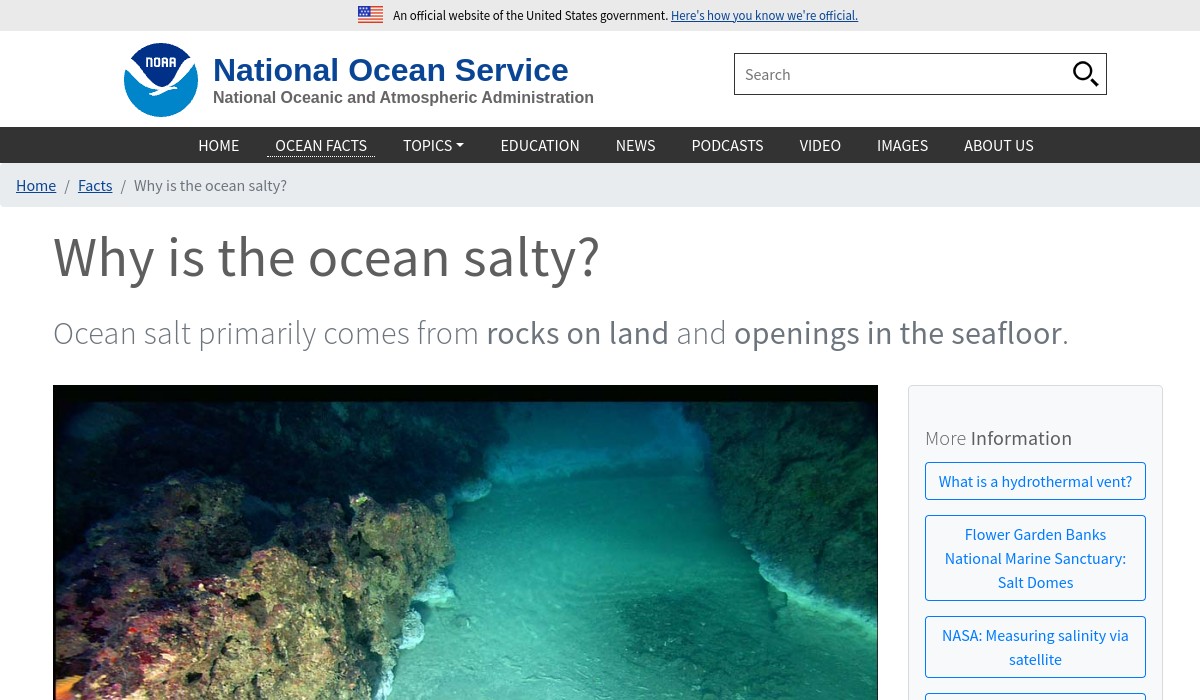
Screenshot of the cited oceanservice.noaa.gov page: Why is the ocean salty?. Open the linked citation for the live page and full context.
The film is a thin layer of salt and mineral residue. When ocean spray or salt-laden air lands on glass, the water evaporates and leaves behind dissolved solids. According to NOAA, seawater contains about 35 parts per thousand dissolved salt on average, or about 3.5% by weight (NOAA Ocean Service). That salt, along with fine mineral particles carried by trade winds, accumulates on windows over time. The result is a hazy, sometimes slightly gritty coating that ordinary glass cleaner often smears instead of removing.
Why is salt air film more common in Hanalei, Haena, and Koloa?
These areas sit close to the ocean and experience consistent trade winds that carry salt-laden moisture inland. Homes nearer the water or with direct exposure to prevailing winds tend to develop the film faster. The U.S. Geological Survey notes that water hardness—mainly dissolved calcium and magnesium—can also leave mineral residue on glass (USGS Water Science School). While local water conditions vary, the combination of ocean salt and any minerals in rinse water can contribute to the buildup. The film is not a sign of poor housekeeping; it's a natural result of the coastal environment.
How can I safely remove salt air film myself?
Start with a gentle approach. Rinse the window with clean water to remove loose salt. Then wash with a mild, eco-friendly solution—a few drops of dish soap in a bucket of warm water works well. Use a soft sponge or microfiber cloth to avoid scratching the glass. Rinse thoroughly with clean water to remove all soap and dissolved salt. Finally, dry with a lint-free cloth or squeegee to prevent water spots. The CDC recommends using a product suitable for the surface and following its label, and to ventilate indoor areas when using cleaning products (CDC Cleaning Guidance). Avoid abrasive scrubbers, razor blades, or harsh chemicals like ammonia or bleach, which can damage glass coatings or frames.
What if the film is heavy or on upper-story windows?

If the film has built up over months or years, or if you have second-story windows that are hard to reach safely, a professional window cleaning service can help. Kamaliʻi Window Cleaning is a locally owned business serving Hanalei and surrounding areas. They offer exterior and interior window cleaning, screen cleaning, and track cleaning, among other services. You can contact them at (808) 346-9672 or visit their website to learn more. When choosing any service, ask about their cleaning methods, whether they use purified water, and how they protect frames and surrounding landscaping. A reputable company will explain their process clearly and provide a written estimate.
How can I slow down future salt buildup?
Regular cleaning is the most effective way to prevent heavy accumulation. A simple rinse with fresh water after windy, salty days can help. Consider applying a rain-repellent or protective coating designed for glass, but check the manufacturer's instructions and test on a small area first. Keep screens clean, as they can trap salt and then transfer it to the glass. If you have a water softener or filtration system, using softened water for rinsing may reduce mineral spots, but confirm with a local water quality expert. For more detailed guidance on preparing your home for professional cleaning, see this preparation guide.
When should I call a professional instead of doing it myself?
Call a professional if the film is thick, if you have many windows, if you cannot safely reach the glass, or if you have tried DIY methods without success. Professionals have equipment like water-fed poles and purified water systems that can remove salt and mineral deposits more thoroughly. Kamaliʻi Window Cleaning lists window cleaning, screen cleaning, and track cleaning among its services, and they are locally owned. You can request a quote through their website or by phone. Before booking, ask about their experience with coastal properties and whether they use purified water, as this can affect the result. For more on what to expect from a service visit, read this overview.
What should I avoid when cleaning salt film?
Abrasive scrubbers like steel wool or harsh brushes can scratch glass and damage coatings.
Strong chemicals such as ammonia, bleach, or acid-based cleaners can etch glass or harm frames and surrounding plants.
Mixing cleaning products can create dangerous fumes; the CDC explicitly warns against mixing products or chemicals.
Cleaning in direct sunlight can cause solutions to dry too quickly, leaving streaks and residue.
Instead, work in the shade or on a cloudy day, use a gentle solution, and dry thoroughly. If you're unsure about a product, test it on a small, inconspicuous corner first.
Frequently Asked Questions
Can salt air film permanently damage my windows?
Salt film itself is a surface deposit and can be removed. However, if left for a long time, salt can etch glass or corrode frames, which may be permanent. Regular cleaning helps prevent this.
Is vinegar safe for cleaning salt film?
Vinegar is acidic and can help dissolve mineral deposits, but it may damage certain window coatings or frames. It's safer to use a mild dish soap solution and rinse thoroughly. If you choose vinegar, test it on a small area first and dilute it with water.
How often should I clean my windows in Hanalei?
It depends on your proximity to the ocean and wind exposure. Many homeowners find that cleaning every 1–3 months keeps salt film under control. After stormy or very windy weather, a quick rinse can help.
Does Kamaliʻi Window Cleaning use purified water?
Their website lists window cleaning services, but it does not specify whether they use purified water. When you contact them, ask about their cleaning methods and whether they use purified water, as this can affect the result.
Next steps for clear windows
Assess your windows. Check for film on both interior and exterior surfaces, and note any hard-to-reach areas.
Try a safe DIY clean. Use the rinse-wash-rinse-dry method with mild soap and a microfiber cloth. If the film persists or you prefer not to do it yourself, move to step 3.
Contact a local professional. Kamaliʻi Window Cleaning serves Hanalei, Haena, and Koloa. Call (808) 346-9672 or visit their website to ask about their process and request a quote.
Plan for maintenance. Regular cleaning every few months can keep salt film from building up and protect your windows long-term.
Comments