Choosing Window Screen Cleaning in Hanalei: A Buyer Checklist


Updated: October 14, 2026
Salt air and trade winds leave Hanalei screens coated with fine particles that ordinary rinsing often misses. A good screen cleaning should remove that buildup without stretching the mesh, bending the frame, or forcing you to replace screens sooner than necessary. This checklist helps you compare providers on the details that matter: screen handling, cleaning method, water quality, and what a written quote should include.
What a Good Window Screen Cleaning Must Accomplish
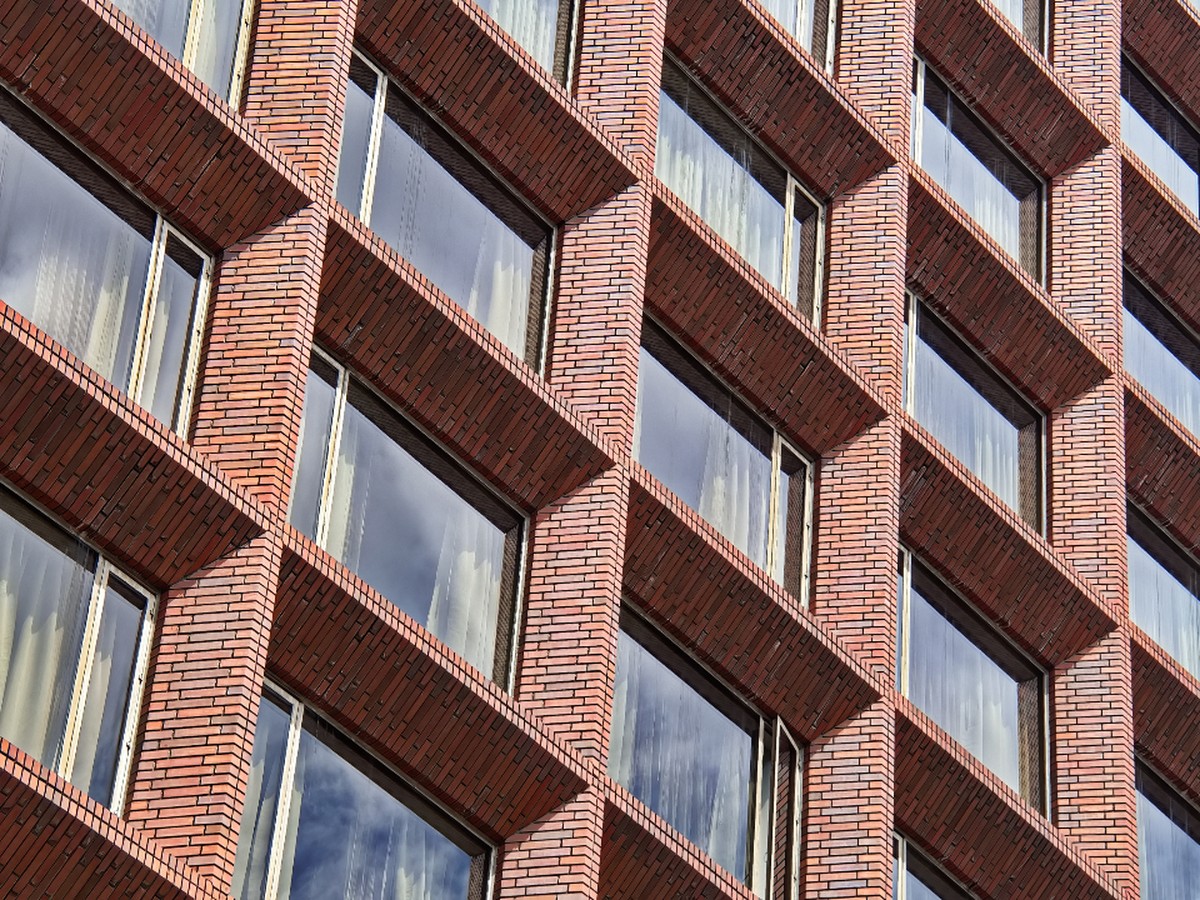
Window screens in Hanalei collect more than dust. Ocean spray dries into a fine salt film, and trade winds push pollen, soil, and small debris into the mesh. Over time, that buildup reduces airflow and makes the view through the glass look dull even when the window itself is clean. A professional screen cleaning should remove that residue without damaging the screen material or frame.
The U.S. EPA defines PM10 as inhalable particles with diameters generally 10 micrometers and smaller, and PM2.5 as fine particles 2.5 micrometers and smaller. These size definitions do not establish a window-cleaning frequency, but they explain why screens in coastal areas trap so much material. A provider should be able to describe how they remove fine particles from the mesh, not just rinse the surface.
Evaluation Criteria for Window Screen Cleaning Providers
Use these criteria to compare any provider you are considering. None of them require trusting a sales pitch; each can be confirmed with a direct question or a written quote.
Screen Handling and Removal
Ask whether the provider removes screens from the window or cleans them in place. Removing screens allows the cleaner to wash both sides and inspect the frame for damage, but it also requires careful handling to avoid bending the frame or tearing the mesh. A provider should explain their process and how they protect screens during removal and reinstallation.
Cleaning Method and Products
The CDC recommends using a product suitable for the surface and following its label. It also says to ventilate indoor areas when using cleaning products and not to mix products or chemicals. For screens, that means the provider should use a mild detergent or screen-specific cleaner, not a harsh solvent that could weaken the mesh or leave a residue. Ask what products they use and whether they rinse thoroughly to remove all soap.
Water Quality and Rinsing
Screenshot of the cited usgs.gov page: Hardness of Water. Open the linked citation for the live page and full context.
The U.S. Geological Survey explains that water hardness mainly reflects dissolved calcium and magnesium. It identifies cloudy glassware and mineral residue as common visible effects, while noting that local water conditions should be confirmed with a local utility or other local source. If a provider uses hard tap water to rinse screens, mineral deposits can dry on the mesh and reduce airflow. Ask whether they use purified or deionized water for the final rinse, especially if your home has hard water. Hardness of Water.
Inspection and Minor Repairs
A thorough screen cleaning includes a visual inspection for tears, loose spline, or bent frames. Some providers can do minor repairs on site, such as re-splining a loose screen or patching a small tear. Ask whether the quote includes inspection and what additional charges apply for repairs. Do not assume repairs are included unless the provider states it in writing.
Red Flags to Watch For
These warning signs do not prove a provider is bad, but they are reasons to ask more questions before booking.
Vague About Screen Handling
If a provider cannot explain whether they remove screens or clean them in place, they may not have a consistent process. A clear answer shows they have thought through the risks of damage and the best way to clean both sides.
No Written Quote or Scope
A verbal estimate without a written scope leaves room for surprise charges. Ask for a written quote that itemizes the number of screens, the cleaning method, and any additional services like track cleaning or minor repairs. If the provider refuses, consider another option.
High-Pressure Washing Only
Pressure washing can damage screen mesh and force water into the window frame. A provider who relies only on high pressure may not be using the gentlest effective method. Ask whether they use a soft brush, low-pressure rinse, or specialized screen cleaning tools.
Questions to Ask Before Booking
Use these questions in a phone call or email. A trustworthy provider will answer them directly without hesitation.
Do you remove screens from the window, or clean them in place?
What cleaning products do you use, and are they safe for screen mesh and frames?
Do you use purified or deionized water for the final rinse?
Does the quote include inspection for tears or loose spline?
What is your process if a screen is damaged during cleaning?
Can you provide a written quote with a clear scope of work?
Final Decision Checklist
Before you book, confirm each item below. A provider that meets all six is a strong candidate.
Checklist Item | Yes | No
Explains screen handling process clearly | ☐ | ☐
Uses mild, screen-safe cleaning products | ☐ | ☐
Rinses with purified or deionized water | ☐ | ☐
Includes inspection for damage in quote | ☐ | ☐
Provides written quote with scope of work | ☐ | ☐
Answers questions directly and without pressure | ☐ | ☐
Kamaliʻi Window Cleaning offers window screen cleaning as part of its residential and commercial window services. Their website states they provide screen cleaning along with interior and exterior window cleaning, and you can request a quote through their professional window cleaning page. When you contact any provider, use the checklist above to compare their answers before you decide.
Comments