Window Cleaning Service Hanalei: What to Expect and How to Prepare

Updated: September 24, 2026
Coastal salt air leaves a hazy film on windows when ocean spray dries and leaves behind dissolved salts and fine mineral particles. On Kauai's north and south shores, trade winds carry salt-laden moisture inland, so windows in Hanalei, Haena, and Koloa often develop this residue faster than homes farther from the water. Preparing your home for a professional window cleaning visit takes about 30 minutes and prevents delays, protects your belongings, and helps the crew work safely. This guide covers exactly what to do before the technicians arrive, with a printable checklist and answers to common questions.
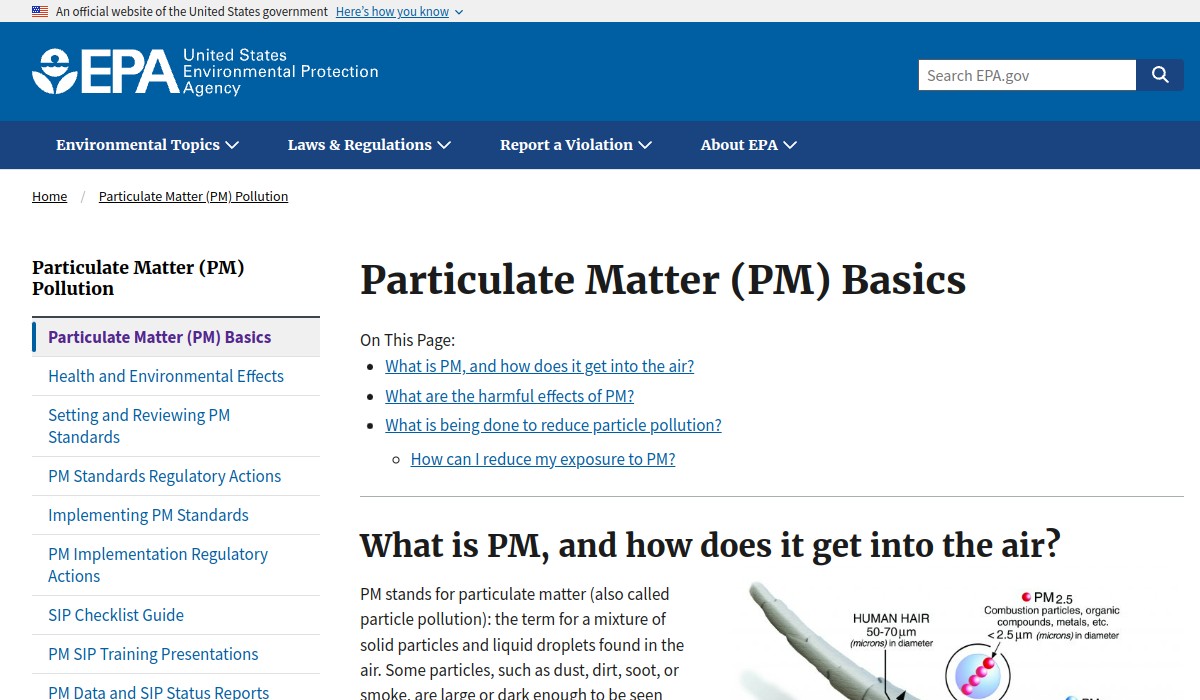
Screenshot of the cited epa.gov page: Particulate Matter (PM) Basics. Open the linked citation for the live page and full context.
Verified source context: The U.S. EPA defines PM10 as inhalable particles with diameters generally 10 micrometers and smaller, and PM2.5 as fine particles 2.5 micrometers and smaller. These size definitions do not establish a window-cleaning frequency. Read Particulate Matter (PM) Basics.
Key Takeaways
Clear access to windows inside and out, remove fragile items, and secure pets before the crew arrives.
Coastal salt air and hard water spots require specific cleaning methods; professional cleaners use appropriate tools and solutions.
Verify completion by inspecting glass for streaks, frames for residue, and screens for damage.
Common mistakes include leaving screens in place, not communicating problem areas, and using household cleaners that can damage glass.
What does professional window cleaning include?
Professional window cleaning typically includes exterior and interior glass cleaning, screen cleaning, and track cleaning. Kamaliʻi Window Cleaning offers these services, along with pressure washing, soft washing, solar panel cleaning, and concrete staining. For coastal homes, the process often starts with a rinse to remove loose salt and grit, followed by washing with a mild, eco-friendly solution and drying with a lint-free cloth to prevent streaks. The U.S. Geological Survey explains that water hardness mainly reflects dissolved calcium and magnesium, which can leave cloudy glassware and mineral residue. On Kauai, hard water spots are common, so professionals may use specialized techniques to remove them without scratching the glass.
How does coastal salt air affect windows?
Salt air leaves a film on windows when ocean spray dries and leaves behind dissolved salts and fine mineral particles. The U.S. EPA defines PM10 as inhalable particles with diameters generally 10 micrometers and smaller, and PM2.5 as fine particles 2.5 micrometers and smaller. These particles, along with salt, can accumulate on glass and frames, reducing clarity and potentially causing corrosion over time. Regular professional cleaning removes these deposits and helps protect your windows. For more details, see Why Salt Air Leaves a Film on Windows and What Safely Removes It.
How do I prepare for a window cleaning appointment?
Follow these steps to ensure a smooth and efficient service:
Clear access to windows inside and out. Move furniture, plants, and decorations away from windows. Outside, trim back any branches or bushes that block the glass. This gives the crew room to work safely and prevents accidental damage.
Remove fragile items from window sills and nearby shelves. Take down pictures, vases, and other breakables. This protects your belongings from accidental bumps or water spray.
Secure pets in a quiet room or outside the work area. This keeps pets safe and reduces distractions for the technicians.
Note any problem areas. Point out stubborn salt deposits, hard water spots, or damaged screens. Communicating these issues helps the crew address them effectively.
Provide access to water and power if needed. Some cleaning methods require an outdoor spigot or electrical outlet. Check with your service provider beforehand.
For a detailed checklist, see How to Prepare a Coastal Home for Professional Window Cleaning.
How do I verify the windows are clean after service?
After the crew finishes, inspect the glass from different angles in natural light. Look for streaks, smears, or remaining film. Check the frames and tracks for residue or debris. Screens should be clean and free of tears. If you notice any issues, point them out immediately so the technicians can address them. The CDC recommends using a product suitable for the surface and following its label, and ventilating indoor areas when using cleaning products. Professional cleaners follow these guidelines to ensure safety and effectiveness.
What are common mistakes to avoid?
Leaving screens in place. Screens can trap dirt and prevent thorough cleaning. Remove them if possible, or ask the crew to handle it.
Using household glass cleaners before the appointment. Some products can leave residues that interfere with professional cleaning. Let the professionals handle the cleaning.
Not communicating special concerns. If you have hard water spots, salt buildup, or delicate frames, tell the crew in advance.
Ignoring safety. OSHA's walking-working-surfaces guidance discusses fall protection and rope-descent systems used for exterior building cleaning. Professional companies follow these safety rules, but you should ensure the crew has clear access and no hazards.
What should I do after the cleaning?
After the service, maintain your windows by scheduling regular cleanings, especially during periods of high salt spray or pollen. Consider adding screen and track cleaning to your service to keep everything in top condition. If you have solar panels, ask about solar panel cleaning to maximize energy absorption. Kamaliʻi Window Cleaning offers these services and can advise on a maintenance schedule. For more guidance on choosing a service, see How to Choose a Window Cleaning Company in Kauai: A Practical Selection Guide.
Frequently Asked Questions
How often should I have my windows professionally cleaned in Hanalei?
There is no single recommended frequency for window cleaning. The U.S. EPA defines particulate matter sizes but does not establish a cleaning schedule. Your cleaning frequency depends on your location, exposure to salt air, and personal preference. Many coastal homeowners schedule cleanings more often during periods of high salt spray or pollen. Ask your service provider for a recommendation based on your home's specific conditions.
Can I clean my windows myself instead of hiring a professional?
You can clean your windows yourself, but coastal salt air and hard water spots can be difficult to remove without the right tools and techniques. The U.S. Geological Survey notes that water hardness can leave mineral residue that may require specialized cleaning. Professional cleaners have equipment and experience to handle these challenges safely, especially for upper-story windows. If you choose to do it yourself, follow the CDC's advice to use a product suitable for the surface and ventilate indoor areas.
What should I do if I have hard water spots on my windows?
Hard water spots are caused by dissolved calcium and magnesium in water, as explained by the U.S. Geological Survey. These spots can be difficult to remove without scratching the glass. Professional window cleaners often use specialized solutions and techniques to safely remove mineral deposits. If you have hard water spots, mention them to your service provider so they can address them during the cleaning.
To schedule a professional window cleaning in Hanalei, Haena, or Koloa, contact Kamaliʻi Window Cleaning at (808) 346-9672 or visit kamaliiexteriorsolutions.com.
Comments