Commercial Window Cleaning in Hanalei: What Kauai Businesses Should Expect

Updated: September 25, 2026
Commercial window cleaning in Hanalei is not a one-size-fits-all service. Salt air, trade winds, and hard water leave a visible film on storefront glass faster than most business owners expect. A professional cleaning should remove that film without damaging frames or disrupting your operation. This guide explains what a commercial window cleaning visit should include, how to prepare your property, and how to confirm the work was done correctly. It is written for business owners and property managers in Hanalei, Haena, and Koloa who need clear, actionable information before booking a service.
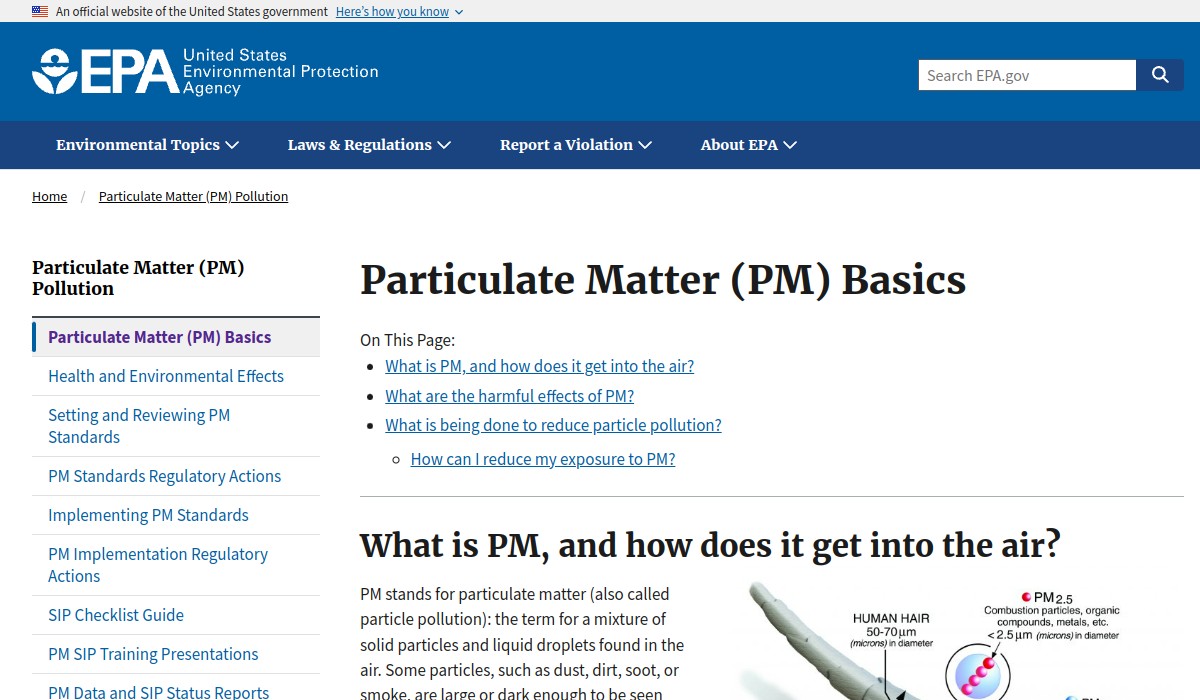
Screenshot of the cited epa.gov page: Particulate Matter (PM) Basics. Open the linked citation for the live page and full context.
Verified source context: The U.S. EPA defines PM10 as inhalable particles with diameters generally 10 micrometers and smaller, and PM2.5 as fine particles 2.5 micrometers and smaller. These size definitions do not establish a window-cleaning frequency. Read Particulate Matter (PM) Basics.
What a Commercial Window Cleaning Visit Should Include
A commercial window cleaning service should cover both interior and exterior glass, screens, and tracks. The crew should arrive on time, work clean, and leave the glass streak-free. For a business, the service should also minimize disruption to customers and employees. Kamaliʻi Window Cleaning lists interior and exterior window cleaning, screen cleaning, and track cleaning among its services. Before you book, ask the company to confirm which of these are included in your quote.
In Hanalei, the main challenge is salt residue. The U.S. Geological Survey explains that water hardness mainly reflects dissolved calcium and magnesium, and it identifies cloudy glassware and mineral residue as common visible effects. Local water conditions should be confirmed with a local utility or other local source. Salt air adds another layer: ocean spray dries and leaves behind dissolved salts and fine mineral particles. A professional cleaner should use a method that removes both salt and mineral deposits without scratching the glass.
How to Prepare Your Business for a Window Cleaning Visit
Preparation prevents delays and protects your property. Follow these steps before the crew arrives:
Clear access to all windows. Move displays, furniture, and signage at least three feet away from interior windows. Outside, remove trash bins, delivery carts, or plants that block the glass.
Secure pets and alert staff. If your business has a pet or service animal, keep it in a closed office during the visit. Tell employees which windows will be cleaned and when.
Remove fragile items from window sills. Take down small decorations, papers, or electronics that could be knocked over or damaged by water.
Note any special concerns. Point out cracked glass, loose frames, or hard water stains to the technician before work begins. This helps them choose the right tools and avoid further damage.
Confirm the cleaning solution. Ask the company what products they use. The CDC recommends using a product suitable for the surface and following its label. It also says to ventilate indoor areas when using cleaning products and not to mix products or chemicals.
For a more detailed checklist, see Window Cleaning Service Hanalei: What to Expect and How to Prepare.
Step-by-Step: What the Cleaning Process Should Look Like
A professional commercial window cleaning follows a consistent order. Here is what you should observe:
Inspection. The technician walks the property and checks each window for damage, hard water stains, or salt buildup. They should note any areas that need extra attention.
Interior cleaning. The crew cleans the inside of the glass first, using a squeegee and a lint-free cloth. They should wipe down frames and sills as they go.
Exterior cleaning. Next, they clean the outside. For storefronts, this often means using a water-fed pole or a ladder. The goal is to remove salt film and mineral spots without leaving streaks.
Screen and track cleaning. If screens are present, they should be removed, washed, and dried before being reinstalled. Tracks should be vacuumed and wiped clean.
Final inspection. The technician walks the property again with you. Look at each window from inside and outside, in direct and indirect light. There should be no streaks, smears, or water spots.
If you see a problem, point it out immediately. A reputable company will fix it on the spot or schedule a return visit.
How to Verify the Job Was Done Correctly
After the crew leaves, do your own inspection. Stand inside and look at the glass from a sharp angle. Streaks and smears are easier to see against a dark background. Then go outside and check the same windows in direct sunlight. Look for:
Streaks or smears on the glass
Water spots or mineral residue left behind
Dirt or debris in the tracks
Wet or damaged screens
Scratches on the glass or frames
If you find any of these, contact the company within 24 hours. Most professional cleaners will return to correct the issue at no extra charge. Kamaliʻi Window Cleaning can be reached at (808) 346-9672.
Common Mistakes to Avoid
Business owners sometimes make these mistakes when hiring a window cleaner:
Choosing the lowest price without checking the process. A cheap quote may mean the company skips screen cleaning or uses harsh chemicals that damage frames.
Not asking about insurance. If a worker is injured on your property, you could be liable. Ask for proof of insurance before the visit.
Ignoring hard water stains. Over time, mineral deposits can etch glass permanently. Regular professional cleaning prevents this.
Blocking access. If the crew cannot reach a window, they may have to reschedule, which costs you time and money.
For more on choosing a reliable company, read How to Choose a Window Cleaning Company in Kauai: A Practical Selection Guide.
What to Do Next
If your business windows show salt film, hard water spots, or streaks, schedule a professional cleaning. Start by requesting a written quote that itemizes labor, equipment, and any special treatments. Ask about the cleaning solution, insurance, and how they handle screens and tracks. Then prepare your property using the checklist above. After the service, inspect the work and report any issues immediately.
For more information on what affects cost and what a quote should include, see What Affects Professional Window-Cleaning Cost in Kauai and What a Quote Should Include. To learn more about Kamaliʻi Window Cleaning and its services, visit Kamaliʻi Window Cleaning.
Frequently Asked Questions
How often should a Hanalei business have its windows cleaned?
There is no single answer. The frequency depends on your location, exposure to salt air, and how quickly film builds up. The U.S. EPA defines particulate matter sizes but does not set a cleaning schedule. Monitor your windows and schedule cleaning when you notice visible film or mineral spots.
Can hard water permanently damage commercial windows?
Yes. The U.S. Geological Survey notes that hard water can leave mineral residue. Over time, if not removed, these deposits can etch glass. Regular professional cleaning helps prevent permanent damage.
What should I do if I see streaks after the crew leaves?
Contact the company within 24 hours. Describe the problem and ask for a correction. A reputable service will return to fix the issue at no extra charge.
Is it safe to mix cleaning products to remove tough salt film?
No. The CDC advises against mixing cleaning products or chemicals. Use only products suitable for the surface and follow the label instructions. A professional cleaner will use appropriate, safe solutions.
Comments