Window Cleaning Alternatives: Compare DIY, Pure Water, and Professional Service

Updated: September 29, 2026
If your windows are cloudy, streaked, or filmed with salt and mineral residue, you may be weighing different ways to get them clear. The right choice depends on your window type, access, water quality, and how much time you can spend. This article compares three legitimate categories—do-it-yourself cleaning, pure water systems, and professional window cleaning—using the same criteria so you can decide without guesswork.
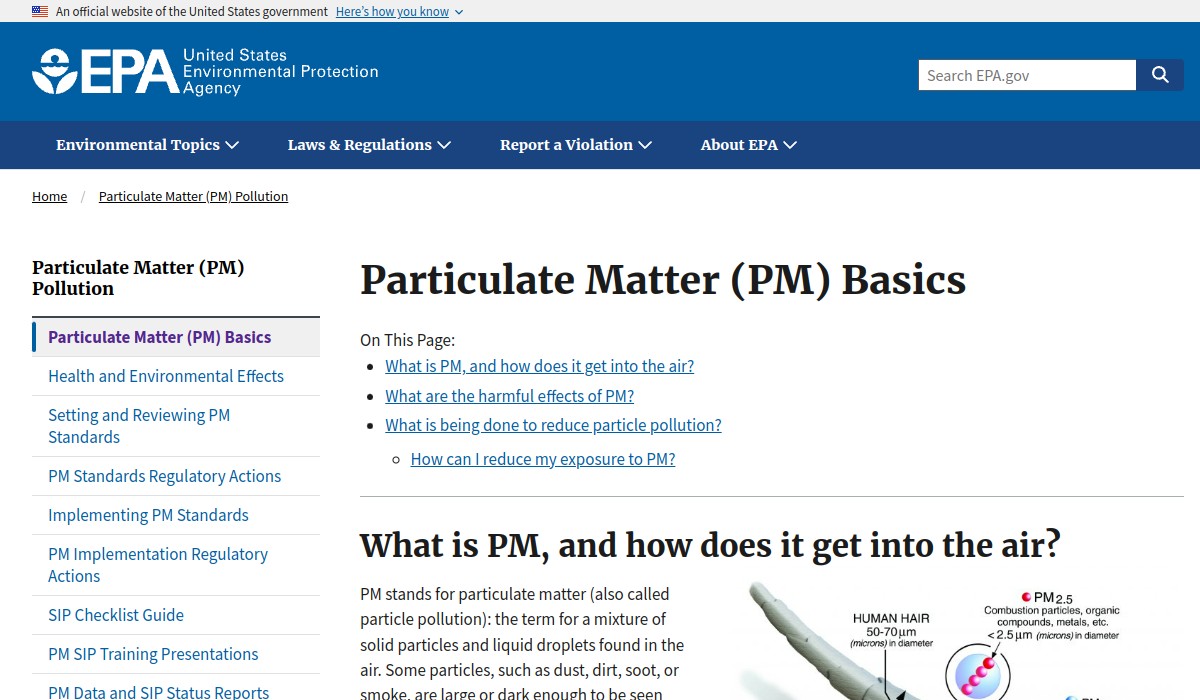
Screenshot of the cited epa.gov page: Particulate Matter (PM) Basics. Open the linked citation for the live page and full context.
Verified source context: The U.S. EPA defines PM10 as inhalable particles with diameters generally 10 micrometers and smaller, and PM2.5 as fine particles 2.5 micrometers and smaller. These size definitions do not establish a window-cleaning frequency. Read Particulate Matter (PM) Basics.
Why You Might Need an Alternative to Your Current Method

Many homeowners start with a spray bottle and paper towels, then notice the same haze returning within days. On Kauaʻi, that haze often comes from two sources: salt air and hard water. The U.S. Geological Survey explains that water hardness mainly reflects dissolved calcium and magnesium, and it identifies cloudy glassware and mineral residue as common visible effects. If your tap water is hard, every DIY rinse can leave a fresh mineral film. Coastal salt spray adds another layer that ordinary glass cleaner may smear rather than remove.
You might also need an alternative because your current method is unsafe or impractical. Second-story windows, skylights, or windows over landscaping require ladders or extension poles. If you are not comfortable on a ladder, or if the glass has years of mineral buildup, a different approach is worth considering.
Three Legitimate Categories of Window Cleaning Alternatives
We will compare three categories that cover most realistic options:
Do-it-yourself cleaning with household tools and store-bought or homemade solutions.
Pure water systems that use filtered, deionized water and a brush or pole, often rented or purchased for repeated use.
Professional window cleaning by a local service that brings equipment, training, and insurance.
Each category has a best-fit situation and a meaningful limitation. We will use the same five criteria for all three: cost, time, safety, effectiveness on coastal residue, and long-term glass protection.
Comparing the Alternatives on the Same Criteria
Cost
DIY: Lowest upfront cost. You likely already have a bucket, squeegee, microfiber cloths, and a cleaning solution. The main expense is your time and possibly a better squeegee or extension pole. However, if hard water spots require repeated scrubbing or special products, costs can creep up.
Pure water system: Higher initial investment if you buy a system, or rental fees if you rent. Pure water systems use filtration to remove dissolved minerals, so you avoid hard water spots without chemicals. But the equipment must be maintained, and filters need replacement.
Professional service: Highest direct cost per visit, but you are paying for labor, equipment, and often insurance. A professional quote should itemize labor, equipment, and any special treatments. No specific price can be stated without a site visit and a written quote, but you can compare quotes using the same factors.
Time
DIY: Most time-consuming. A full house of windows can take several hours, especially if you are moving furniture, removing screens, and doing interior and exterior glass. You also need time to learn proper technique to avoid streaks.
Pure water system: Faster than traditional DIY because you do not need to dry the glass—pure water dries spot-free. But you still need to set up the system, move the pole, and rinse thoroughly. For a whole house, it can still take a couple of hours.
Professional service: Least time from you. The crew does the work while you do something else. A typical residential visit may take one to three hours depending on window count and access, but you are not the one on the ladder.
Safety
DIY: Highest risk if you need to reach high windows. Ladder falls are a serious hazard. Even ground-floor windows can be awkward if you have to lean over shrubs or furniture. The CDC recommends ventilating indoor areas when using cleaning products and not mixing products or chemicals, which is easy to forget in a DIY rush.
Pure water system: Safer than ladder work because you can clean many windows from the ground with a long pole. However, you still need to handle water and possibly hoses, and upper-story windows may still require a ladder for close work.
Professional service: Lowest personal risk. Trained technicians use proper ladders, harnesses, or water-fed poles. They also carry insurance, which protects you if something goes wrong.
Effectiveness on Coastal Residue
DIY: Can remove light dust and fresh salt spray if you use the right technique: rinse, wash with a mild solution, and dry with a lint-free cloth. But hard water spots and baked-on salt film often require more aggressive scrubbing or acidic cleaners, which can damage frames or glass if misused.
Pure water system: Very effective on salt and mineral deposits because the water itself has no dissolved solids to leave behind. It can dissolve and rinse away salt residue without soap. However, it may not remove heavy grease, paint overspray, or stubborn organic matter without pre-treatment.
Professional service: Most effective on tough coastal buildup. Professionals can use pure water systems, traditional squeegees, or specialized cleaners depending on the glass condition. They also clean screens and tracks, which DIY often skips. Kamaliʻi Window Cleaning, for example, lists exterior window cleaning, interior window cleaning, screen cleaning, and track cleaning among its services, which addresses the full window system rather than just the glass.
Long-Term Glass Protection
DIY: If you use abrasive pads or harsh chemicals, you can scratch glass or etch frames. Over time, improper cleaning can make windows look worse. Regular gentle cleaning can prevent buildup, but it requires consistency.
Pure water system: Gentle on glass because it uses no detergents or abrasives. It can help prevent mineral etching by removing deposits before they bond. However, it does not add any protective coating; it simply cleans without leaving residue.
Professional service: A good professional will use methods that protect glass and frames. They can also spot early signs of damage, such as failing seals or corroded frames, and advise you before they become costly. This preventive value is hard to replicate on your own.
Who Each Alternative Fits Best—and What It Cannot Do

DIY Cleaning
Best fit: You have a single-story home, a few windows, soft water or a water softener, and time to clean regularly. You are comfortable on a step stool and willing to learn proper squeegee technique.
What it cannot do: Safely reach high windows, remove heavy mineral etching, or clean screens and tracks without extra effort. It also cannot guarantee streak-free results if your water is hard or your technique is off.
Pure Water System
Best fit: You have many windows, hard water, or coastal salt exposure, and you want to avoid chemicals. You are willing to invest in equipment or rent it periodically, and you can handle a water-fed pole.
What it cannot do: Remove heavy grease, paint, or adhesive without pre-treatment. It also requires access to a water source and enough hose length. If you have very high windows, you may still need a ladder or professional help.
Professional Window Cleaning
Best fit: You have a multi-story home, hard-to-reach windows, heavy salt or mineral buildup, or simply no time or desire to do it yourself. You want a thorough job that includes screens, tracks, and interior glass, and you value insurance and accountability.
What it cannot do: It cannot be free, and it cannot be instant—you need to schedule and prepare your home. It also cannot fix damaged glass or failed seals; it can only clean what is there. If you expect a permanent coating or guarantee against future spotting, you need to ask specifically, because standard cleaning does not include that.
Switching or Selection Checklist
Use this checklist to decide which alternative fits your situation right now. Mark each item that applies to you.
Question | DIY | Pure Water | Professional
Do you have single-story windows only? | ☐ | ☐ | ☐
Is your water hard or do you see mineral spots? | ☐ | ☐ | ☐
Do you have salt air or coastal residue? | ☐ | ☐ | ☐
Are you comfortable on a ladder? | ☐ | ☐ | ☐
Do you have time for a multi-hour job? | ☐ | ☐ | ☐
Do you need screens and tracks cleaned too? | ☐ | ☐ | ☐
Is your budget flexible for a one-time service? | ☐ | ☐ | ☐
If you checked mostly the first column, DIY may work. If you checked the second column, a pure water system could be a good middle ground. If you checked the third column, professional cleaning is likely the most practical choice.
One Natural Next Step
If you are still unsure, start by assessing your windows: count them, note which are hard to reach, and look for mineral spots or salt film. Then decide how much time and risk you are willing to accept. If you want a professional opinion, you can contact a local service like Kamaliʻi Window Cleaning to ask about their process and whether they serve your area. They list residential and commercial window cleaning, screen cleaning, and track cleaning, which covers the full window system. You can also review their services page to see what is included. Remember, the best alternative is the one that matches your windows, your water, and your willingness to climb a ladder.
Comments