Why Salt Air Leaves a Film on Windows and What Safely Removes It


Updated: October 3, 2026
Living near the ocean in Hanalei, Haena, or Koloa means dealing with a persistent, hazy film on your windows. This film is primarily salt residue left behind when sea spray evaporates. While it can be frustrating, understanding why it forms and how to remove it safely can help you maintain clear views and protect your glass. Here's what you need to know.
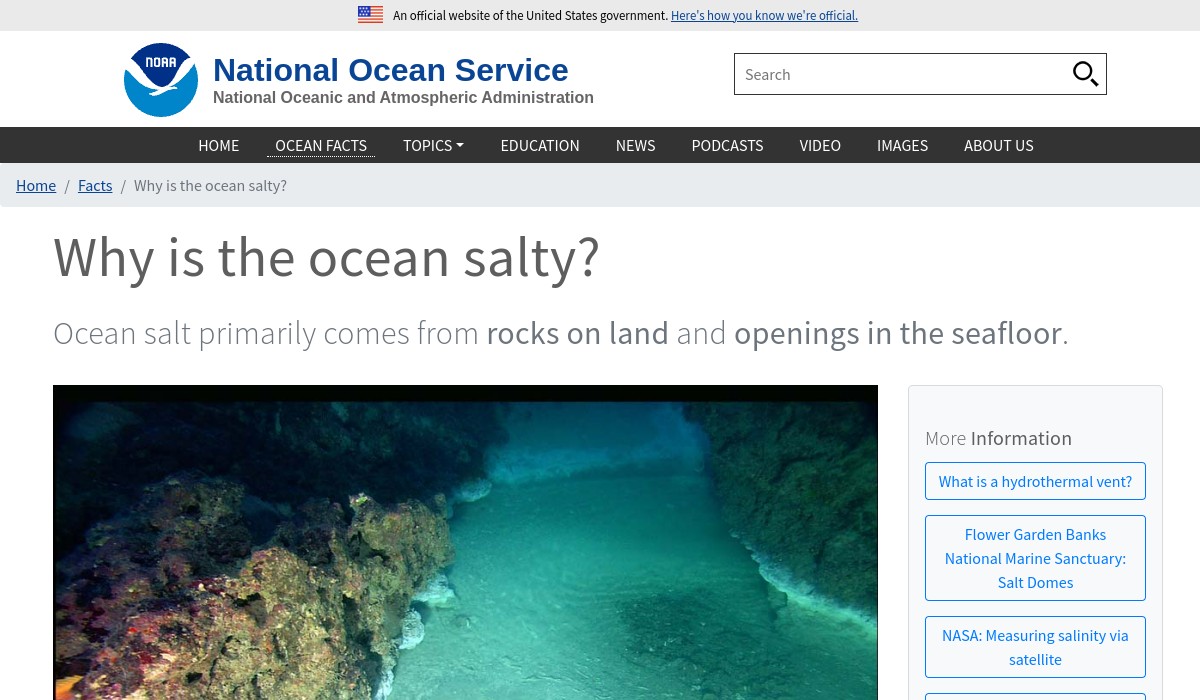
Screenshot of the cited oceanservice.noaa.gov page: Why is the ocean salty?. Open the linked citation for the live page and full context.
Verified source context: NOAA says seawater contains about 35 parts per thousand dissolved salt on average, or about 3.5% by weight. This describes ocean salinity; it does not measure residue on a specific window. Read Why is the ocean salty?.
Key Takeaways
Salt air leaves a film because ocean spray contains dissolved salts that remain after water evaporates.
Safe removal involves using a mild acidic solution like diluted white vinegar, followed by thorough rinsing and drying.
Avoid abrasive cleaners or tools that can scratch glass.
For hard water spots or heavy buildup, professional window cleaning may be more effective and safer for your windows.
Why does salt air leave a film on windows?
Salt air leaves a film on windows because ocean spray carries tiny droplets of seawater. When those droplets land on glass and the water evaporates, the dissolved salts—mainly sodium chloride—are left behind as a white, crusty residue. Over time, this residue builds up, creating a hazy or cloudy appearance that reduces clarity and can even etch the glass if not cleaned regularly.
In coastal areas like Hanalei, Haena, and Koloa, trade winds and surf can increase the amount of salt spray reaching your windows. Homes closer to the water or with windows facing the prevailing wind often see faster buildup. This is a natural process, not a sign of faulty windows or poor housekeeping.
What safely removes salt film from windows?
The safest and most effective DIY method for removing light to moderate salt film is a solution of white vinegar and water. Vinegar is mildly acidic, which helps dissolve the mineral salts without damaging glass. Mix one part white vinegar with one part water in a spray bottle. Spray the window generously, let it sit for a minute or two to loosen the residue, then wipe with a soft, lint-free cloth or squeegee. Rinse with clean water and dry thoroughly to prevent new water spots.
For heavier buildup, you may need to repeat the process or use a commercial glass cleaner designed for hard water stains. Always avoid abrasive scrubbers, steel wool, or harsh chemicals like ammonia or bleach, as these can scratch the glass or damage window frames and seals.
What are the practical steps for Hanalei, Haena, and Koloa homeowners?
Here is a simple, step-by-step approach you can follow:
Assess the buildup: If the film is light and wipes away easily with a damp cloth, DIY cleaning is likely sufficient. If it's thick, crusty, or has been present for months, consider professional help.
Gather supplies: You'll need white vinegar, water, a spray bottle, a soft cloth or sponge, a squeegee, and clean, dry towels.
Prepare the solution: Mix equal parts vinegar and water. For very stubborn spots, you can use undiluted vinegar, but test on a small area first.
Apply and wait: Spray the solution onto the glass, ensuring full coverage. Let it sit for 1–2 minutes to dissolve the salts.
Wipe and rinse: Use a soft cloth or sponge to gently scrub the glass, then rinse with clean water. A squeegee helps remove excess water and prevents streaking.
Dry completely: Use a dry microfiber cloth to buff the glass and remove any remaining moisture.
Repeat as needed: For windows with heavy buildup, you may need to clean them two or three times to fully restore clarity.
Regular maintenance—such as cleaning windows every few weeks during dry, windy periods—can prevent heavy buildup and make each cleaning easier.
When should you call a professional window cleaner?
While DIY methods work for light film, there are times when professional help is the better choice. If your windows have extensive salt buildup, hard water spots that won't budge, or you have many windows or hard-to-reach areas, a professional window cleaning service can save you time and effort. Professionals have access to specialized equipment and cleaning solutions that are safe for all glass types and can often achieve a streak-free finish more efficiently.
Kamaliʻi Window Cleaning provides window cleaning service in Hanalei, Haena, and Koloa. If you're unsure whether your windows need professional attention, you can contact them at (808) 346-9672 or visit their website to learn more about their services.
Frequently Asked Questions
Can salt film permanently damage windows?
If left for a long time, salt residue can etch the glass surface, causing permanent cloudiness or pitting. Regular cleaning helps prevent this damage.
Is vinegar safe for all window types?
Vinegar is generally safe for standard glass windows. However, avoid using it on windows with special coatings, such as tinted or Low-E glass, unless the manufacturer says it's safe. When in doubt, test on a small corner first.
How often should coastal homeowners clean their windows?
It depends on your proximity to the ocean and wind exposure. Many homeowners in Hanalei, Haena, and Koloa find that cleaning every 2–4 weeks during dry, windy seasons keeps salt film under control.
Can I use dish soap instead of vinegar?
Dish soap can help remove dirt and grime, but it is not as effective at dissolving mineral salts. Vinegar or a commercial hard water stain remover is better for salt film.
Comments