Why Salt Air Leaves a Film on Windows and What Safely Removes It

Updated: September 19, 2026
If you live near the ocean in Hanalei, Haena, or Koloa, you know the struggle: windows that look clean after washing but soon develop a dull, hazy film. That film is salt residue left behind when sea spray evaporates. It's not just cosmetic—over time, salt can etch glass and corrode frames. The good news is that with the right approach, you can remove it safely and keep your views crystal clear. This guide explains why salt air leaves that film, what works to remove it, and when it's time to call a professional like Kamaliʻi Window Cleaning.
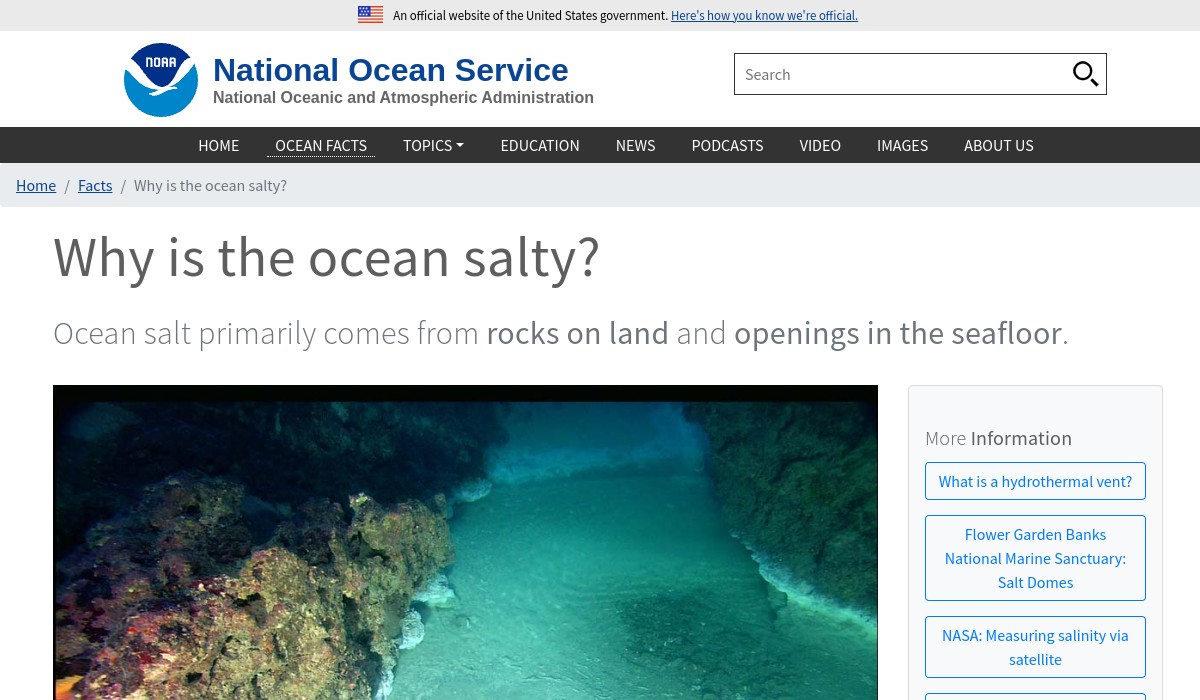
Screenshot of the cited oceanservice.noaa.gov page: Why is the ocean salty?. Open the linked citation for the live page and full context.
Verified source context: NOAA says seawater contains about 35 parts per thousand dissolved salt on average, or about 3.5% by weight. This describes ocean salinity; it does not measure residue on a specific window. Read Why is the ocean salty?.
Why Salt Air Leaves a Film on Windows
Ocean water contains dissolved salts—about 35 parts per thousand on average, according to NOAA. When waves crash and wind blows, tiny droplets of seawater become airborne. These droplets land on your windows, and as the water evaporates, the salt is left behind. Over time, layer upon layer builds up, creating a white, crusty film that clouds the glass.
But salt isn't the only culprit. The water you use for cleaning can also leave mineral deposits. The U.S. Geological Survey explains that hard water contains dissolved calcium and magnesium, which can leave cloudy residue on glass. If you rinse your windows with tap water that has high mineral content, you may be adding to the problem. On Kauaʻi, local water conditions vary, so it's worth checking with your utility provider if you suspect hard water.
Salt residue is stubborn because it bonds to the glass surface. Regular glass cleaners often just smear it around, leaving streaks. To truly remove the film, you need to dissolve the salt and rinse it away completely.
What You'll Need Before You Start
Gather these supplies before you begin:
White vinegar (acetic acid) or a commercial window cleaning solution designed for mineral deposits
Warm water
A soft sponge or microfiber cloth
A squeegee with a clean rubber blade
A second dry microfiber cloth for buffing
A bucket
Optional: a spray bottle for the vinegar solution
If your windows are on an upper floor or hard to reach, you may need a sturdy ladder and an extension pole for the squeegee. Safety first: never overreach, and consider hiring a professional for high or awkward windows.
Step-by-Step: How to Remove Salt Film Safely
Rinse the window with plain water. Use a hose or a spray bottle to wet the glass thoroughly. This removes loose salt and prevents scratching when you scrub. If you're working indoors, use a damp cloth to wipe away surface salt.
Apply a vinegar solution. Mix one part white vinegar with one part warm water in a spray bottle. Spray the glass generously, making sure to cover the entire surface. Vinegar's mild acidity helps dissolve salt and mineral deposits. Let it sit for 2–3 minutes, but don't let it dry.
Scrub gently. Use a soft sponge or microfiber cloth to work the solution over the glass. Pay extra attention to corners and edges where salt tends to accumulate. Avoid abrasive pads or steel wool, which can scratch the glass.
Squeegee the glass. Starting at the top, pull the squeegee down in a straight, overlapping stroke. Wipe the blade with a clean cloth after each pass. This removes the dissolved salt and dirty water, preventing streaks.
Rinse again with clean water. If you're outdoors, a final rinse with a hose helps wash away any remaining residue. Indoors, use a clean damp cloth to wipe the glass.
Dry and buff. Use a dry microfiber cloth to buff the glass to a shine. Check for any remaining haze or streaks. If you see spots, repeat the vinegar application on those areas.
After cleaning, inspect the window from different angles and in different lighting. A truly clean window will be clear and streak-free, with no white film when you run a finger over the glass.
Common Mistakes That Make the Film Worse
Even with good intentions, it's easy to make mistakes that leave your windows looking worse. Here are the most common ones to avoid:
Using paper towels or newspaper. These can leave lint and ink residue, and they don't absorb enough water to remove dissolved salt effectively.
Cleaning in direct sunlight. The solution dries too quickly, leaving streaks and salt behind. Work in the shade or on a cloudy day.
Skipping the rinse. If you don't rinse away the dissolved salt, it will just re-deposit as the water evaporates.
Using harsh chemicals. Ammonia-based cleaners can damage window tints and frames. Stick to mild acids like vinegar or products specifically designed for mineral deposits.
Ignoring the frames and tracks. Salt can accumulate in window tracks and on frames, causing corrosion. Wipe these areas with a damp cloth after cleaning the glass.
When to Call a Professional
While DIY cleaning can work for ground-floor windows, some situations call for professional help. If you have many windows, hard-to-reach panes, or stubborn salt buildup that won't budge, a professional window cleaning service can save you time and ensure a streak-free result. Kamaliʻi Window Cleaning offers window cleaning services across Kauaʻi, including Hanalei, Haena, and Koloa. They use pure water technology and streak-free methods to leave your windows spotless, inside and out.
Professionals also have the right equipment to safely clean high windows and can spot early signs of salt damage to frames or seals. If you're unsure about your water quality or the best cleaning method for your specific windows, a quick consultation can point you in the right direction. You can contact Kamaliʻi Window Cleaning to ask about your situation.
Keeping the Film from Coming Back
Once your windows are clean, a few habits can slow down salt buildup:
Rinse windows regularly. A quick rinse with plain water every few weeks can wash away salt before it accumulates.
Apply a rain repellent. Products like Rain-X can create a barrier that makes it harder for salt and water spots to stick. Follow the manufacturer's instructions.
Trim nearby vegetation. Plants can trap moisture and salt spray against the glass, so keep them pruned back.
Schedule professional cleanings. For many coastal homeowners, a professional cleaning every few months keeps windows clear and protects the glass. Kamaliʻi Window Cleaning offers residential window cleaning that can be scheduled on a regular basis.
Frequently Asked Questions
Can salt air permanently damage windows?
Over time, salt residue can etch glass and corrode metal frames if not removed. Regular cleaning helps prevent long-term damage. If you notice pitting or persistent cloudiness, a professional can assess the condition.
Is vinegar safe for all window types?
Vinegar is safe for most glass, but avoid using it on windows with special coatings or films unless the manufacturer says it's okay. When in doubt, test a small area first or use a commercial cleaner designed for coated glass.
How often should coastal windows be cleaned?
It depends on your proximity to the ocean and weather conditions. Many homeowners find that a thorough cleaning every one to three months keeps salt film under control. A quick rinse between cleanings can also help.
By understanding why salt air leaves a film and using the right techniques, you can enjoy clear, sparkling windows even in the salty air of Hanalei, Haena, and Koloa. And when the job feels too big or the windows too high, a trusted local professional is just a phone call away.
Comments