When to Book Window Cleaning: Signs It Is Time


Updated: September 26, 2026
You need professional window cleaning when the glass has buildup you can’t safely or effectively remove yourself—or when the job requires equipment, access, or time you don’t have. On Kauaʻi, that often means hard water spots, salt air film, or second-story windows. But not every dirty window calls for a pro. This article separates the clear signals from the guesswork, so you can decide with confidence.
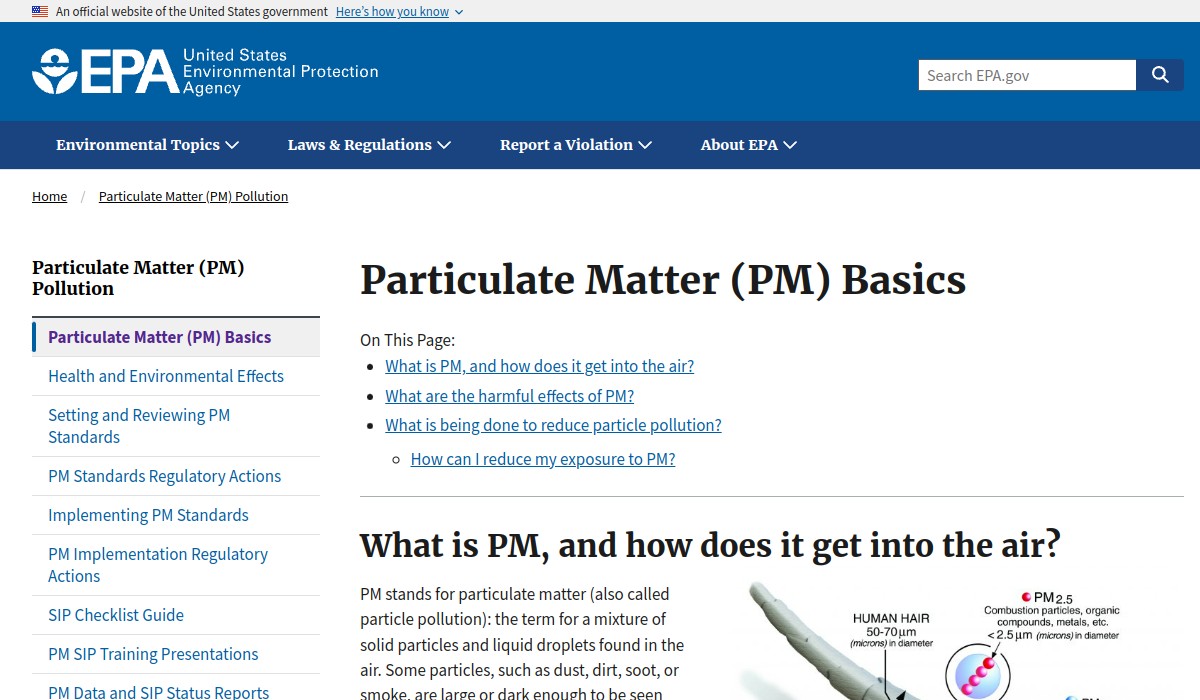
Screenshot of the cited epa.gov page: Particulate Matter (PM) Basics. Open the linked citation for the live page and full context.
Verified source context: The U.S. EPA defines PM10 as inhalable particles with diameters generally 10 micrometers and smaller, and PM2.5 as fine particles 2.5 micrometers and smaller. These size definitions do not establish a window-cleaning frequency. Read Particulate Matter (PM) Basics.
What “professional window cleaning” actually means
Professional window cleaning is a service where trained technicians clean interior and exterior glass, frames, and sometimes screens using specialized tools and techniques. It’s different from a quick wipe with a spray bottle and paper towels. Pros use squeegees, purified water systems, and sometimes water-fed poles to reach high glass without ladders. They also know how to avoid streaks, scratches, and damage to frames or surrounding surfaces.
For a coastal home, the job often includes removing mineral deposits and salt residue that ordinary glass cleaner can’t dissolve. The U.S. Geological Survey explains that water hardness—mainly dissolved calcium and magnesium—can leave cloudy residue on glass. That’s the same kind of deposit that builds up on windows when irrigation spray or hard tap water dries on the surface. A professional service can identify the type of buildup and use the right method to remove it without etching the glass.
Signs your windows need more than a DIY wipe
Some window problems are visible and persistent. If you notice any of the following, a professional cleaning is likely worth considering:
White, chalky spots that don’t wipe off. These are often mineral deposits from hard water. They can become more stubborn over time and may require a mild acid or abrasive technique that a pro is trained to use safely.
A hazy film that returns quickly after cleaning. Near the ocean, salt air leaves a fine residue that ordinary cleaners can smear. A professional can remove the salt and apply a treatment that slows re-deposition, though no treatment stops it permanently.
Streaks or smears you can’t eliminate. This often happens when the wrong cleaning solution or cloth is used. Pros use lint-free tools and purified water to avoid leaving residue.
Windows you can’t reach safely. Second-story or awkwardly placed windows may require ladders, extension poles, or even rope access. A professional has the equipment and training to do this without risking injury or property damage.
Visible dirt inside the tracks or on screens. Dirt in the tracks can scratch glass when windows are opened and closed. Screen cleaning is often included in a professional service and improves airflow and view.
None of these signs mean you must call a pro today. They mean the problem is unlikely to improve with standard household methods, and a professional can address it more thoroughly.
When DIY window cleaning is perfectly fine
If your windows are only lightly dusty or have a few water spots from a recent rain, you can often handle it yourself. The CDC recommends using a product suitable for the surface and following the label instructions. For basic glass, a simple solution of vinegar and water or a commercial glass cleaner can work well. Just be sure to ventilate the area and never mix cleaning products.
DIY is also reasonable when:
You can reach all the glass safely from the ground or a sturdy step stool.
The buildup is fresh and wipes away with a microfiber cloth.
You have the time and patience to do a thorough job, including drying with a lint-free cloth to prevent streaks.
However, if you live near the ocean, even light salt film can be deceptive. It may look like dust but actually be a mineral layer that smears when wiped. If your first attempt leaves streaks or a haze, that’s a signal to stop and consider professional help rather than scrubbing harder.
What a professional service actually does
A professional window cleaning visit typically includes more than just wiping glass. Here’s what you can expect from a reputable provider like Kamaliʻi Window Cleaning, which serves Hanalei, Haena, Koloa, and surrounding areas:
Interior and exterior glass cleaning. Both sides are cleaned to remove dirt, film, and spots.
Screen cleaning. Screens are removed, washed, and dried to improve airflow and clarity.
Track and frame wiping. Debris is cleared from tracks to prevent scratching and improve window operation.
Spot treatment for hard water or salt. Depending on the buildup, a pro may use a specialized solution or gentle abrasive to remove mineral deposits without damaging the glass.
Kamaliʻi Window Cleaning also offers pressure washing, soft washing, and solar panel cleaning, which can be convenient if you need multiple exterior surfaces cleaned at once. You can see their full list of services on their services page.
How to decide: a simple checklist
Ask yourself these questions to decide whether to DIY or call a pro:
Can I reach every window safely without a tall ladder or risky positioning?
Does the glass have white spots, haze, or film that doesn’t wipe off with a standard cleaner?
Have I tried cleaning and ended up with streaks or smears?
Are the screens or tracks visibly dirty?
Do I have the time and physical ability to do a thorough job on all windows?
If you answered “no” to the first question or “yes” to any of the others, professional cleaning is a sensible choice. It’s not an emergency, but it will save you time and likely produce a better result.
Frequently Asked Questions
How much should I pay for professional window cleaning?
Costs vary based on the number of windows, their size, accessibility, and the type of buildup. A reputable company will provide a written quote after assessing your home. Avoid any service that gives a price without seeing the job.
What is the best thing to use to clean windows myself?
For light cleaning, a mix of vinegar and water or a commercial glass cleaner works. Use a microfiber cloth or squeegee, and dry with a lint-free cloth to avoid streaks. The CDC advises using a product suitable for the surface and following the label.
What do professional window cleaners put in their water?
Many pros use purified or deionized water, which helps prevent mineral spots and streaks. Some add a mild, glass-safe detergent. The exact solution depends on the type of dirt and the company’s method.
How often should I have my windows professionally cleaned?
There’s no universal schedule. Coastal homes may need more frequent cleaning because of salt air, while inland homes can go longer. Watch for visible buildup and clean when it affects your view or the glass looks dull.
Your next step
If you’ve decided professional help is worth it, the next step is to get a clear quote. A reputable company will ask about the number of windows, their accessibility, and any specific concerns like hard water spots or salt film. They should explain what’s included and what might cost extra.
Kamaliʻi Window Cleaning provides window cleaning in Hanalei, Haena, Koloa, and nearby areas. You can book online or call (808) 346-9672 to ask questions and schedule a visit. If you’re still unsure whether your windows need professional attention, describe what you’re seeing—a good company will tell you honestly whether a DIY approach is enough.
Comments