What Window Cleaning Includes and How to Prepare

Updated: September 25, 2026
Professional window cleaning is more than spraying glass and wiping it dry. A full service typically includes interior and exterior glass, screens, and often tracks and frames. The goal is to remove not just everyday dust but also the mineral deposits, salt film, and organic buildup that ordinary household cleaning leaves behind. Knowing exactly what is included helps you compare quotes, prepare your home, and avoid paying for work you assumed was standard.
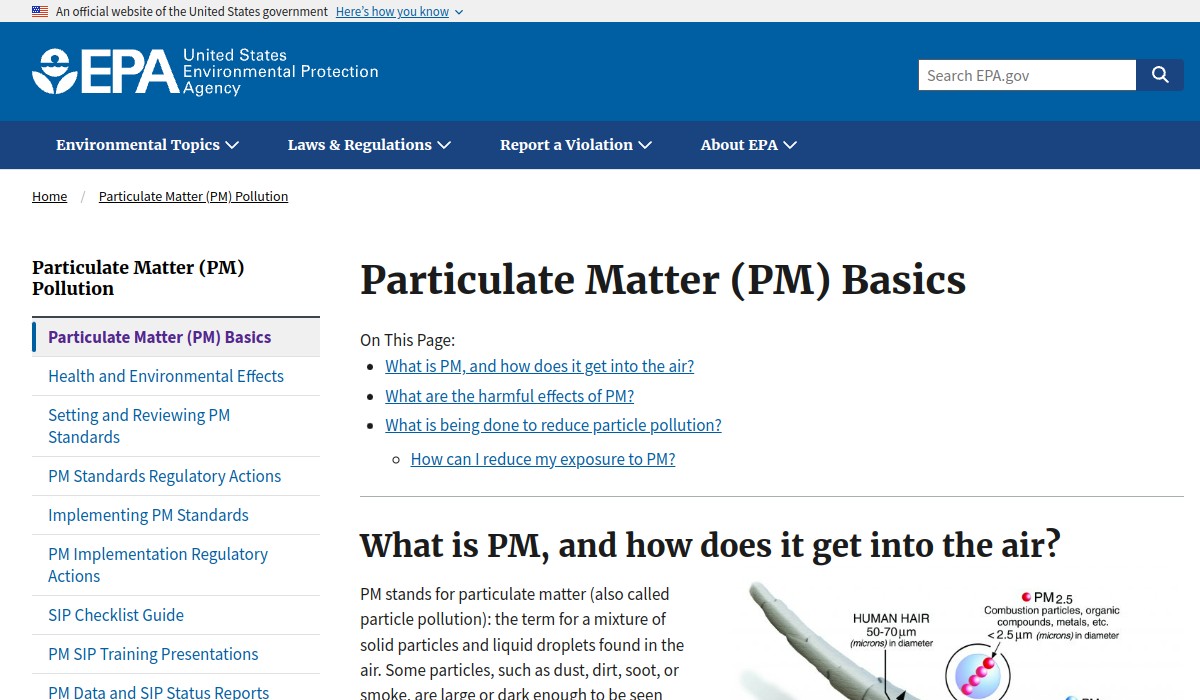
Screenshot of the cited epa.gov page: Particulate Matter (PM) Basics. Open the linked citation for the live page and full context.
Verified source context: The U.S. EPA defines PM10 as inhalable particles with diameters generally 10 micrometers and smaller, and PM2.5 as fine particles 2.5 micrometers and smaller. These size definitions do not establish a window-cleaning frequency. Read Particulate Matter (PM) Basics.
What Does a Standard Window Cleaning Service Cover?
Most professional window cleaning companies define their service scope in writing. For Kamaliʻi Window Cleaning, the verified service list includes exterior window cleaning, interior window cleaning, and screen cleaning. Some providers also include track cleaning, but that is not universal. Always confirm whether tracks and frames are part of the quote or an add-on.
The U.S. Geological Survey explains that water hardness mainly reflects dissolved calcium and magnesium. When hard water dries on glass, it leaves mineral residue that appears as cloudy spots or streaks. A professional service uses techniques and tools designed to remove that residue without scratching the glass. This is a key difference from a quick wipe with a household cleaner.
Why Are Interior and Exterior Cleaning Different Jobs?
Exterior windows face weather, salt air, and airborne particles. The U.S. EPA defines PM10 as inhalable particles with diameters generally 10 micrometers and smaller, and PM2.5 as fine particles 2.5 micrometers and smaller. These particles settle on exterior glass and, when mixed with moisture, form a film that is difficult to remove with a dry cloth. Interior windows collect dust, cooking oils, and fingerprints, which require different cleaning solutions and drying methods.
Because the two sides have different contaminants, a professional will often use separate tools and cleaning agents for each. This prevents cross-contamination and ensures a streak-free finish. If you only pay for exterior cleaning, the interior side will still show smudges and haze, which can make the whole window look dirty.
What Preparation Is Expected from You?
Before a crew arrives, you can reduce delays and protect your belongings by taking a few simple steps. The CDC recommends using a product suitable for the surface and following its label. It also says to ventilate indoor areas when using cleaning products and not to mix products or chemicals. While the cleaning company brings its own supplies, you should clear the area around windows inside and out.
Move furniture, plants, and decorative items away from windows. Remove fragile objects from sills and nearby shelves. If you have pets, secure them in a separate room. If any windows are difficult to open or have known issues, tell the technician in advance. These steps are not required by every company, but they help the work go smoothly and prevent accidents.
How Do You Confirm What Your Quote Includes?
Ask for a written, itemized estimate. It should list each service separately: exterior glass, interior glass, screens, tracks, and any special treatments. If the quote says “window cleaning” without detail, ask for clarification. A transparent provider will explain what is included and what costs extra.
Kamaliʻi Window Cleaning lists its services on its services page, which can help you compare. You can also review the full service list to see whether track cleaning or other add-ons are mentioned. If you are unsure, call the business directly at (808) 346-9672 and ask.
What Should You Do After the Cleaning?
Inspect the windows in daylight, from both inside and outside. Look for streaks, missed spots, or water spots. If you find issues, report them promptly. Most professional companies will return to correct problems at no charge if you notify them within a reasonable time.
To keep windows cleaner longer, consider your local environment. On Kauaʻi, salt air and hard water can cause buildup faster than in other regions. The U.S. Geological Survey notes that local water conditions should be confirmed with a local utility or other local source. If your water is hard, you may need more frequent professional cleaning or a spot treatment between visits.
Frequently Asked Questions
Does a professional window cleaning service include screens?
It depends on the company. Kamaliʻi Window Cleaning includes screen cleaning in its verified service list, but not all providers do. Always confirm whether screen cleaning is part of the quote or an additional charge.
Do I need to be home during the cleaning?
Not necessarily. Many companies can work while you are away if they have access to the exterior and, for interior cleaning, a way to enter. However, being present allows you to point out specific concerns and inspect the work immediately.
How often should I have my windows professionally cleaned?
There is no universal frequency. The U.S. EPA's particle size definitions do not establish a cleaning schedule. Your local environment—such as salt air, hard water, or nearby construction—can affect how quickly windows get dirty. Ask your provider for a recommendation based on your specific conditions.
What if I have hard water stains?
Hard water stains are mineral deposits left when water evaporates. The U.S. Geological Survey explains that water hardness mainly reflects dissolved calcium and magnesium. Professional cleaners have methods to remove these deposits safely, but you should confirm that the service includes hard water stain removal if that is a concern.
Prioritized Next Steps
List your windows and note any special conditions — count the panes, identify hard-to-reach areas, and flag any existing damage or salt buildup.
Request a written, itemized quote — ask exactly what is included: interior, exterior, screens, tracks, and any extra fees.
Prepare your home before the appointment — clear access, move fragile items, secure pets, and ventilate if interior cleaning is included.
Inspect the work after completion — check in daylight and report any issues immediately.
Comments