Interior & Exterior Window Cleaning vs. DIY in Hanalei: Which Approach Fits?

Updated: October 9, 2026
If you live in Hanalei, you already know that clean windows don't stay clean long. Salt spray, trade winds, and hard water spots can leave glass hazy within weeks. The real question isn't whether to clean your windows—it's whether to do it yourself or hire a professional. The right choice depends on your home's access, your tolerance for ladder work, and how much time you can give to a job that often needs repeating.
Short recommendation: match the method to the mess
For most Hanalei homes, professional interior and exterior window cleaning is the safer, more thorough option when windows are above one story, when salt film has built up, or when you want screens and tracks cleaned too. DIY can work well for single-story homes with easy access, mild buildup, and a homeowner who is comfortable working with ladders and cleaning solutions. Neither option is universally better; the right choice depends on your specific conditions.
Decision criteria that matter in Hanalei
Before comparing professional service and DIY, define what you're actually comparing. Use the same criteria for both options:
Access and safety: Can you reach every window without risky ladder work? Multi-story homes and windows over uneven ground change the risk.
Residue type: Is the glass coated with ordinary dust, or with salt film and hard-water mineral spots? Salt and mineral deposits often require more than standard glass cleaner.
Scope of work: Do you need only glass, or also screens, tracks, and frames? A full service includes more than wiping panes.
Time and repeat frequency: How often will you need to clean? Coastal conditions may require more frequent cleaning, which affects the value of your time.
Equipment and products: Do you already own the right tools and cleaning agents, or would you need to buy them?
Professional service vs. DIY: a side-by-side comparison
Criterion | Professional service | DIY
Access and safety | Trained technicians handle ladders, extension poles, and multi-story access. You avoid climbing. | You are responsible for ladder safety and reaching high or awkward windows. Risk increases with height and uneven ground.
Residue removal | Professionals typically use methods suited to salt film and hard-water spots, such as pure-water systems or appropriate cleaning agents. | You can remove light dust and some salt film with household products, but heavy mineral deposits may require specialty products or repeated effort.
Scope of work | Often includes interior and exterior glass, screens, tracks, and frames, depending on the service package. | You choose what to clean, but screens and tracks add time and require removal and reinstallation.
Time and frequency | You spend little of your own time; the crew works on a schedule. You may schedule regular cleanings. | You invest your own time each cleaning. If salt air requires frequent cleaning, the time cost adds up.
Equipment and products | Included in the service; you don't need to buy or store anything. | You may need to purchase or rent ladders, squeegees, scrubbers, and cleaning solutions. Some products may not be effective on salt or mineral buildup.
What to verify before choosing a professional in Hanalei

If you lean toward hiring a professional, ask these questions before booking:
What exactly is included? Confirm whether the quote covers interior and exterior glass, screens, tracks, and frames. Some companies charge extra for screens or second-story windows.
How do they handle salt air and hard water? Ask what method or products they use for coastal residue. A generic window cleaner may not be enough for Hanalei's conditions.
What safety measures do they use? For multi-story homes, ask about ladder safety, fall protection, and insurance.
Can they provide a written estimate? A detailed estimate should list the number of windows, access challenges, and any additional fees. Avoid vague verbal quotes.
Kamaliʻi Window Cleaning offers professional residential and commercial window cleaning, including exterior and interior window cleaning, screen cleaning, and track cleaning. You can review their service details on the Professional Residential & Commercial Window Cleaning page. When you contact them, ask the same questions you would ask any provider to confirm the scope and method for your home.
When DIY makes sense—and when it doesn't
DIY window cleaning can be a good fit if:
Your home is single-story with easy access to all windows.
The glass has only light dust or mild salt film, not heavy mineral deposits.
You already own or are willing to buy the right tools, including a good squeegee and a cleaning solution appropriate for your water type.
You have the time and physical ability to clean windows safely, including removing and reinstalling screens if needed.
DIY may not be the best choice if:
You have multi-story windows or windows over uneven ground, where ladder work is risky.
Your windows have stubborn hard-water spots or heavy salt buildup that household cleaners can't remove.
You want screens and tracks cleaned as well, which adds significant time and effort.
You would need to buy specialized equipment that you may not use often.
For safety, the CDC recommends using a product suitable for the surface and following its label, and ventilating indoor areas when using cleaning products. Never mix cleaning chemicals. See When and How to Clean and Disinfect Your Home for general guidance.
Understanding Hanalei's specific challenges
Two local factors make window cleaning in Hanalei different from many mainland locations: salt air and hard water.
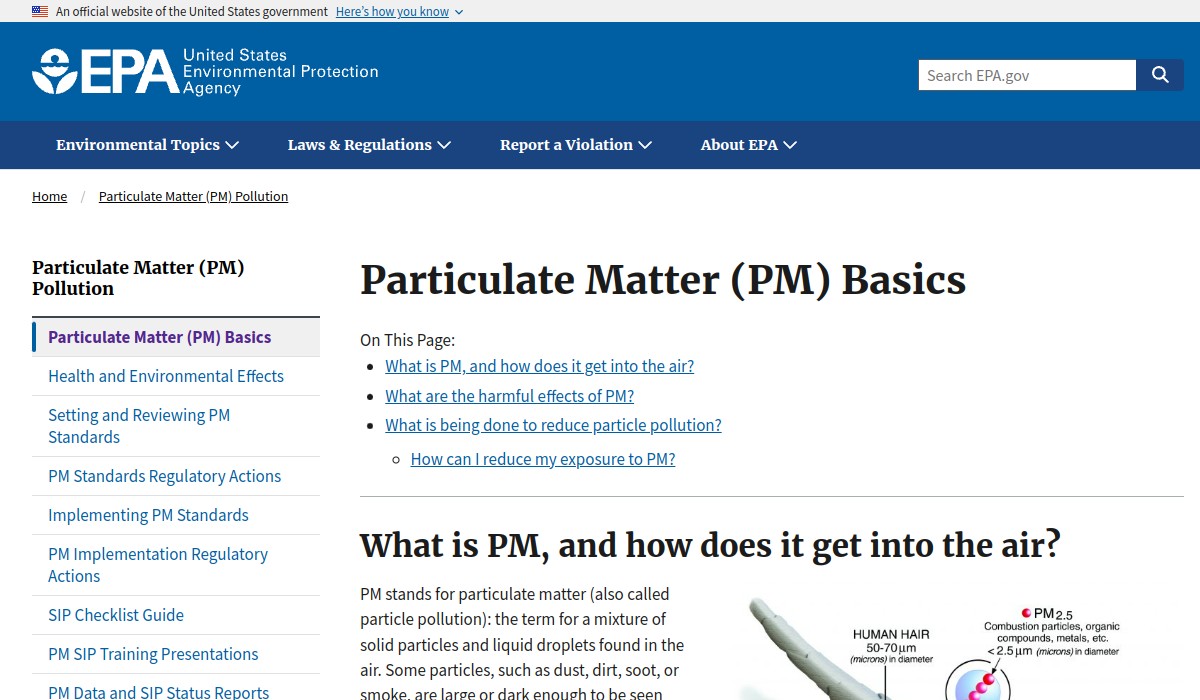
Screenshot of the cited epa.gov page: Particulate Matter (PM) Basics. Open the linked citation for the live page and full context.
Salt air: Ocean spray carries dissolved salts that dry on glass, leaving a hazy film. This film can be removed with proper cleaning, but it returns quickly. The U.S. EPA defines particulate matter by size, but that definition does not set a cleaning frequency. For more on particulate matter, see Particulate Matter (PM) Basics.
Hard water: The U.S. Geological Survey explains that water hardness mainly reflects dissolved calcium and magnesium, which can leave cloudy residue on glass. Local water conditions vary, so confirm with your utility or a local source. See Hardness of Water for background.
These factors mean that even a thorough DIY job may not last as long as you'd like, and professional methods may be more effective at removing mineral deposits. However, no source here proves that professional cleaning lasts longer or is superior; it depends on the specific products and techniques used.
Making your decision: a practical checklist
Use this checklist to compare your options:
Count the number of windows and note which are hard to reach.
Inspect the glass for salt film, hard-water spots, or heavy dirt.
Decide whether you need screens and tracks cleaned.
Estimate the time you would spend on DIY, including setup and cleanup.
Get a written estimate from at least one professional, and ask about their method for coastal residue.
Compare the total cost of DIY (including any equipment purchases) with the professional quote.
Consider safety: if you are not comfortable on a ladder, professional service may be worth the cost.
There is no single right answer. A homeowner with a single-story house and mild dust may do fine with DIY, while a homeowner with a two-story home and heavy salt film may find professional service saves time and reduces risk. The key is to match the method to your specific situation.
Frequently Asked Questions
Who offers window cleaning service in Hanalei?
Kamaliʻi Window Cleaning provides professional residential and commercial window cleaning in Hanalei, Haena, and Koloa. Their services include interior and exterior window cleaning, screen cleaning, and track cleaning. You can review their service details on the Professional Residential & Commercial Window Cleaning page.
What should I compare before choosing a window cleaning service?
Compare the same criteria for any provider: what is included in the quote, how they handle salt air and hard water, what safety measures they use for multi-story access, and whether they provide a written estimate. Ask about their specific method for coastal residue, because Hanalei's conditions require more than a generic glass cleaner.
Is DIY window cleaning safe for a two-story home?
DIY window cleaning on a two-story home involves ladder work and reaching windows from heights, which increases the risk of falls. If you are not experienced with ladders or the ground is uneven, professional service may be safer. Always follow product labels and ventilate indoor areas when using cleaning chemicals, as recommended by the CDC.
Comments