How to Build a Window-Cleaning Schedule for a Coastal Property


Updated: October 1, 2026
Coastal windows on Kauai collect salt spray, mineral residue, and fine airborne particles faster than inland glass. A workable schedule starts with a monthly visual check, then cleans when you see haze, water spots, or a white film that does not rinse away with plain water. This guide gives you a repeatable process, a completion checklist, and answers to the questions Kauai property owners ask most.
Verified source context: The CDC recommends using a product suitable for the surface and following its label. It also says to ventilate indoor areas when using cleaning products and not to mix products or chemicals. Read When and How to Clean and Disinfect Your Home.
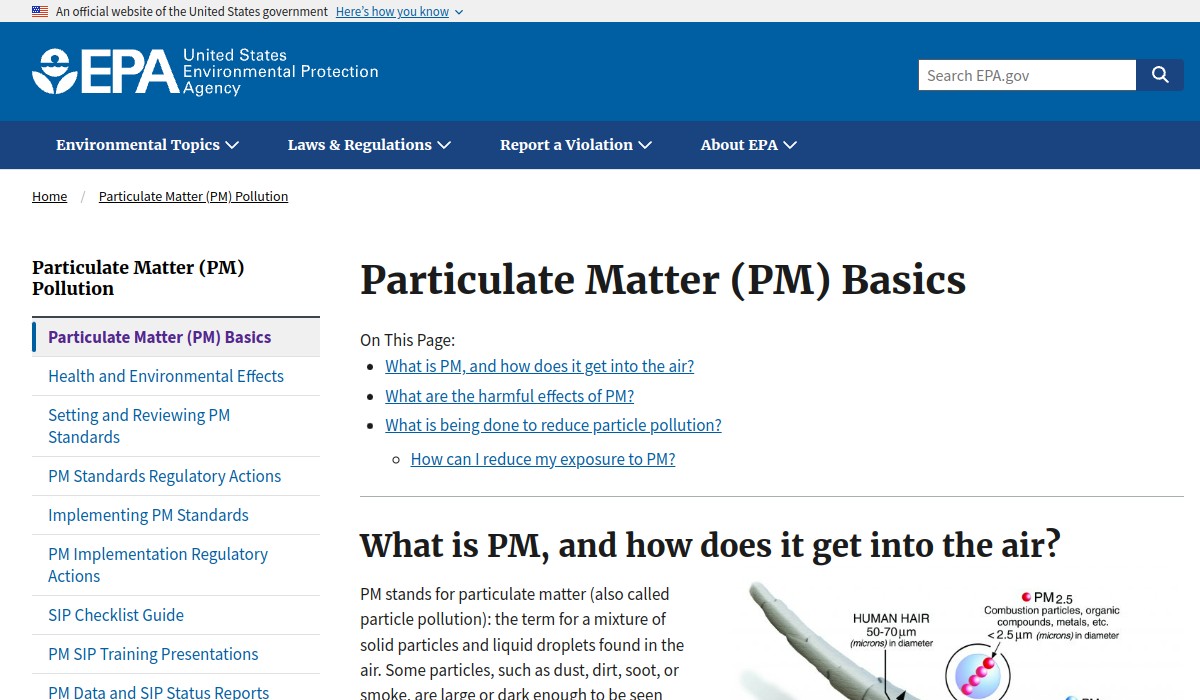
Screenshot of the cited epa.gov page: Particulate Matter (PM) Basics. Open the linked citation for the live page and full context.
Verified source context: The U.S. EPA defines PM10 as inhalable particles with diameters generally 10 micrometers and smaller, and PM2.5 as fine particles 2.5 micrometers and smaller. These size definitions do not establish a window-cleaning frequency. Read Particulate Matter (PM) Basics.
Key Takeaways
Inspect windows monthly; clean when salt haze or mineral spots are visible.
Use a product suitable for glass and follow the label; ventilate indoor areas and never mix chemicals.
Rinse with clean water, dry with a squeegee, and verify by viewing the glass from inside and outside at an angle.
Adjust frequency by distance from the ocean, rainfall, and local water hardness.
Why do coastal windows need a different cleaning schedule?
Ocean air carries salt. NOAA explains that seawater is about 3.5% dissolved salt by weight, and wind-driven spray can leave that salt on glass. Salt attracts moisture and can hold fine dust, which makes windows look hazy faster than they would inland. The U.S. EPA defines PM10 and PM2.5 as inhalable particles 10 micrometers and smaller; these small particles can stick to salt residue and add to the film. A schedule built around visible salt and mineral buildup is more useful than a fixed calendar date.
What should I check before I start?
Before you clean, confirm three things:
Surface type: Make sure the glass is not tinted with a film that could be damaged by ammonia or abrasive cleaners. If you are unsure, test a small corner first.
Water quality: The U.S. Geological Survey notes that hard water contains dissolved calcium and magnesium, which can leave cloudy spots. If your tap water is hard, use distilled or deionized water for the final rinse.
Safety: For upper-story windows, use a stable ladder or an extension pole. Never lean out of a window.
How do I build a window-cleaning schedule step by step?
Pick a monthly inspection day. Choose a date you will remember, such as the first Saturday of the month. Walk around the property and look at each window from inside and outside.
Look for three signs of buildup. Check for a white or gray haze, water spots that do not wipe off with a dry cloth, and a rough or gritty feel when you run a finger over the glass. If you see any of these, it is time to clean.
Clean on a low-wind, overcast day. Direct sun dries cleaning solution too fast and leaves streaks. Wind can blow salt spray back onto wet glass. Early morning or late afternoon works well.
Use a suitable cleaning product. The CDC recommends using a product suitable for the surface and following the label. For glass, a mild dish soap and water solution or a commercial glass cleaner is usually fine. Avoid products with harsh abrasives.
Apply the solution and scrub gently. Use a soft sponge or microfiber cloth. Work from top to bottom so dirty water does not run over cleaned areas.
Rinse thoroughly with clean water. If your tap water is hard, use distilled water for this step. A hose with a spray nozzle works well for ground-floor windows.
Dry with a squeegee. Start at the top corner and pull down in straight, overlapping strokes. Wipe the squeegee blade with a clean cloth after each stroke.
Wipe edges and sills. Use a dry microfiber cloth to remove any remaining water from the frame and sill. This prevents mineral deposits from forming at the edges.
Verify the result. Stand inside and look at the glass at a slight angle. Then go outside and repeat. The glass should look clear with no streaks, spots, or haze.
How do I know the windows are actually clean?
Use this checklist after every cleaning. Mark each item only if you can see the result clearly.
Check | Yes | No
No visible haze or white film when viewed from inside at an angle | ☐ | ☐
No water spots or mineral rings after drying | ☐ | ☐
No streaks or smears when viewed from outside in daylight | ☐ | ☐
Glass feels smooth, not gritty, when touched lightly | ☐ | ☐
Frames and sills are dry and free of residue | ☐ | ☐
If you mark any “No,” repeat the rinse and squeegee steps for that window.
What mistakes should I avoid?
Cleaning in direct sun. The solution dries too fast and leaves streaks.
Using hard tap water for the final rinse. This can add new mineral spots, especially if your water is hard.
Mixing cleaning products. The CDC warns never to mix products or chemicals. This can create dangerous fumes.
Skipping the monthly inspection. Salt buildup can etch glass if left for many months. A quick check takes five minutes.
Using abrasive pads or scrapers. These can scratch the glass and make future cleaning harder.
How often should I clean windows on a coastal Kauai property?
There is no single correct number. Use the monthly inspection to decide. In practice, many oceanfront homes need cleaning every four to eight weeks, while homes a few blocks inland may go two to three months. Adjust based on what you see. If you notice haze returning within two weeks, clean more often. If the glass stays clear for three months, extend the interval.
Frequently Asked Questions
Does rain clean coastal windows?
Rain can rinse away loose dust, but it does not remove salt film or mineral spots. In fact, rain can leave new water spots if the glass already has salt residue. You still need to clean manually.
Can I use vinegar to remove salt haze?
A diluted vinegar solution can help dissolve mineral deposits, but it is acidic and may damage some window frames or tinted films. Test on a small area first, and rinse thoroughly. Follow the product label for any commercial cleaner.
What if I cannot reach upper-story windows safely?
Use an extension pole with a squeegee and scrubber attachment. If the windows are very high or the ground is uneven, consider hiring a professional window cleaning service. Safety comes first.
How do I know if my water is hard?
The U.S. Geological Survey says hard water leaves cloudy spots and mineral residue on glassware. If you see white spots on your drinking glasses or shower doors, your water is likely hard. Your local water utility can provide a water quality report.
For more help with coastal window cleaning on Kauai, contact Kamaliʻi Window Cleaning.
Comments