How Pure-Water Window Cleaning Works on Coastal Properties

Updated: Sep 27

Updated: September 26, 2026
Pure-water window cleaning uses filtered, deionized water to lift dirt and salt residue without soap, leaving glass clearer for longer. For coastal Kauai homes in Hanalei, Haena, and Koloa, the main challenge is not ordinary dust but salt spray and mineral deposits from ocean air and local water. This article explains what pure-water cleaning is, why it matters near the coast, and how to decide if it is right for your property.
Key Takeaways
Pure-water cleaning removes dissolved minerals and salt that can leave spots or haze on glass.
Coastal properties face more salt and particulate exposure than inland homes, but no single cleaning frequency fits every house.
A practical inspection and maintenance routine helps you spot residue early and choose the right cleaning method.
Kamaliʻi Window Cleaning serves Hanalei, Haena, and Koloa and can assess your windows directly.
What is pure-water window cleaning?
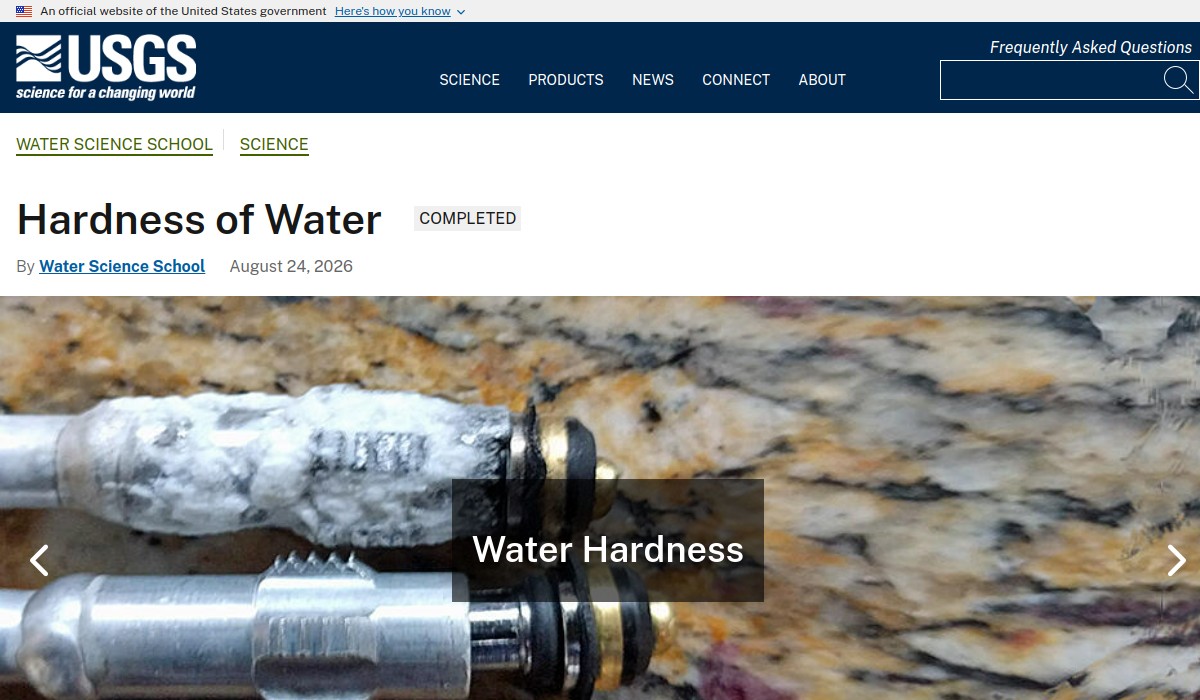
Screenshot of the cited usgs.gov page: Hardness of Water. Open the linked citation for the live page and full context.
Pure-water window cleaning uses water that has been filtered to remove dissolved minerals, especially calcium and magnesium. The U.S. Geological Survey explains that water hardness mainly reflects dissolved calcium and magnesium, and that these minerals can leave cloudy residue on glassware and other surfaces (Hardness of Water). When hard water dries on a window, those minerals remain as spots or haze. Pure water, by contrast, dries without leaving that mineral film.
In practice, a technician uses a brush or scrubber with pure water to loosen dirt, then rinses the glass. Because the water has no dissolved solids, it evaporates cleanly. No soap or detergent is needed, which means no chemical residue is left behind. This method is especially useful on windows that are hard to reach or where soap runoff could damage surrounding paint or plants.
Why do coastal windows in Hanalei, Haena, and Koloa get dirtier faster?
Coastal air carries salt and fine particles that settle on glass. NOAA states that seawater contains about 35 parts per thousand dissolved salt on average, or about 3.5% by weight (Why is the ocean salty?). When ocean spray or wind-blown droplets land on a window, the water evaporates and leaves salt crystals behind. Over time, that salt can build up and create a white, crusty film.
In addition to salt, the U.S. EPA defines particulate matter such as PM10 and PM2.5 as inhalable particles of different sizes (Particulate Matter (PM) Basics). These particles can come from road dust, construction, or natural sources, and they stick to salt residue on glass. The combination of salt and particulates can make windows look dull or streaky even after a standard wash with tap water.
However, no single cleaning schedule fits every home. The amount of salt and dust depends on your exact location, wind exposure, and how close you are to the surf. A house directly on the beach in Haena will likely need more frequent attention than a home set back from the shore in Koloa.
How does pure-water cleaning help with salt and mineral residue?
Pure water dissolves and carries away salt and mineral deposits more effectively than tap water that already contains dissolved solids. When you wash a window with hard tap water, you may be adding calcium and magnesium even as you remove dirt. Pure water has almost no dissolved solids, so it can absorb more of the salt and minerals already on the glass.
This does not mean pure water is a magic solution. Heavy salt crust may still require gentle scrubbing or multiple rinses. But the final rinse with pure water leaves no new mineral spots, which is why many professional window cleaners use it for coastal properties.
What should I check before choosing a window cleaning method?
Use this checklist to assess your windows and decide whether pure-water cleaning is a good fit:
Look for white or cloudy spots on the glass, especially on the ocean-facing side. These are often salt or mineral deposits.
Check the window frames and sills for salt crust or corrosion. Salt can damage metal frames over time.
Note how often you currently clean your windows and whether spots return quickly after cleaning.
Consider your water source. If your tap water is hard, a standard wash may leave new mineral spots.
Ask about pure-water equipment. A professional service should be able to explain how they filter water and whether they use a brush or other tools.
Follow product safety guidance. The CDC recommends using a product suitable for the surface and following its label, and ventilating indoor areas when using cleaning products (When and How to Clean and Disinfect Your Home).
Is pure-water window cleaning right for my Kauai home?
If your windows show salt haze, mineral spots, or streaks that return quickly after cleaning, pure-water cleaning is worth considering. It is especially useful for second-story or hard-to-reach windows where soap rinsing is difficult. However, if your windows are only lightly dusty and you have soft tap water, a traditional cleaning may be sufficient.
The best way to know is to have a professional assess your specific situation. Kamaliʻi Window Cleaning serves Hanalei, Haena, and Koloa and can evaluate your windows and recommend an approach. You can reach them at (808) 346-9672 or visit Kamaliʻi Window Cleaning to ask about pure-water options.
Frequently Asked Questions
Does pure-water cleaning remove old salt crust?
Pure water helps dissolve salt, but heavy crust may need gentle agitation with a brush. A professional can assess whether extra scrubbing is needed.
How often should coastal windows be cleaned?
There is no universal rule. Homes directly exposed to ocean spray may need cleaning every few weeks, while sheltered homes may go months between cleanings. Inspect your windows regularly and clean when you see visible salt or haze.
Is pure-water cleaning safe for window frames and surrounding plants?
Because pure water contains no soap or chemicals, it is generally gentle on frames and landscaping. However, always follow the CDC's advice to use products suitable for the surface and ventilate indoor areas when cleaning (When and How to Clean and Disinfect Your Home).
Can I do pure-water cleaning myself?
You can buy or rent pure-water systems, but they require proper filtration and technique. For many homeowners, hiring a professional is more practical, especially for multi-story homes.
Comments