7 Window-Cleaning Mistakes That Leave Coastal Glass Streaked or Damaged


Updated: September 28, 2026
On Kauai, windows face a daily assault of salt spray, fine volcanic dust, and intense sun. The wrong cleaning method doesn't just leave streaks—it can permanently etch glass or damage frames. The most common mistakes are using hard tap water, cleaning in direct sun, and using abrasive tools. Here's how to avoid them and keep coastal glass clear.
Verified source context: NOAA says seawater contains about 35 parts per thousand dissolved salt on average, or about 3.5% by weight. This describes ocean salinity; it does not measure residue on a specific window. Read Why is the ocean salty?.
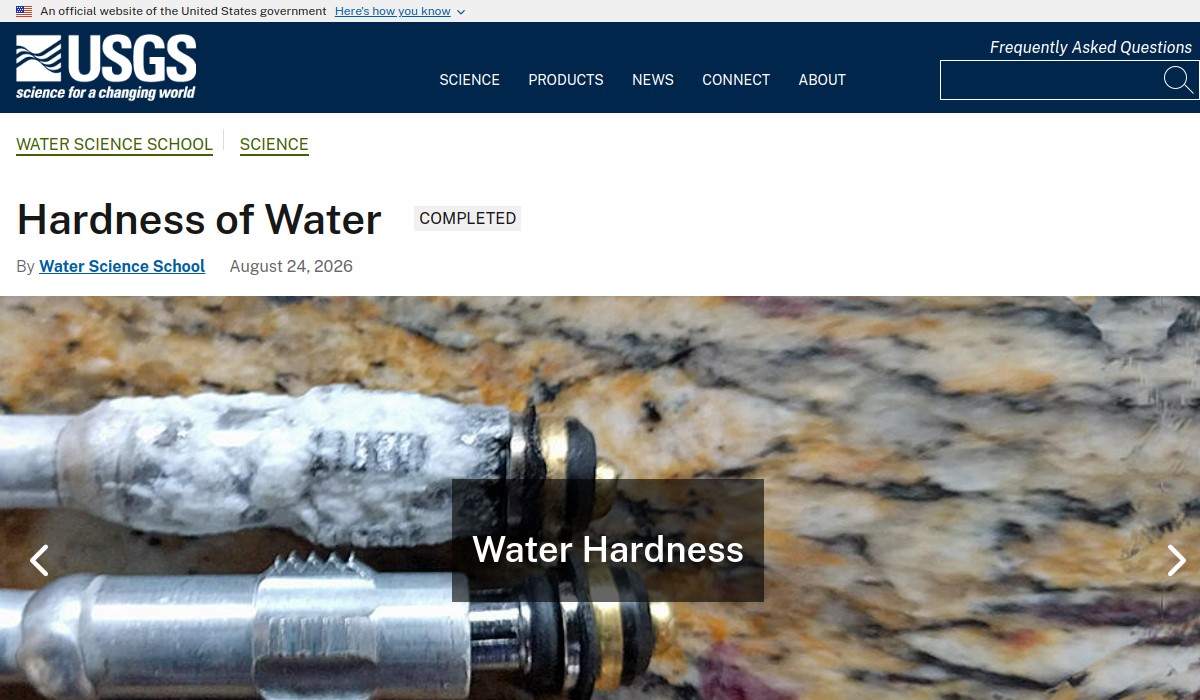
Screenshot of the cited usgs.gov page: Hardness of Water. Open the linked citation for the live page and full context.
Verified source context: The U.S. Geological Survey explains that water hardness mainly reflects dissolved calcium and magnesium. It identifies cloudy glassware and mineral residue as common visible effects, while noting that local water conditions should be confirmed with a local utility or other local source. Read Hardness of Water.
Key Takeaways
Hard water and salt residue require specific removal steps; plain tap water can worsen mineral buildup.
Cleaning in direct sunlight causes rapid drying and streaks; work in shade or on cool glass.
Abrasive pads and harsh chemicals can scratch glass or damage coatings; use soft tools and pH-neutral cleaners.
Always rinse thoroughly and dry with a squeegee to prevent water spots.
What are the most common window-cleaning mistakes on coastal glass?
The most common mistakes are using hard tap water, cleaning in direct sun, using abrasive tools, and neglecting to rinse thoroughly. Each mistake has a specific correction that prevents streaks and long-term damage.
Mistake 1: Using hard tap water
Hard water contains dissolved calcium and magnesium, which leave mineral deposits on glass as it dries. The U.S. Geological Survey notes that hard water can cause cloudy glassware and mineral residue. On Kauai, tap water hardness varies by area, so if you notice white spots after cleaning, your water is likely hard. The correction is to use distilled or deionized water for the final rinse, or add a water softener to your cleaning solution.
Mistake 2: Cleaning in direct sunlight
Sunlight heats the glass and causes cleaning solution to evaporate before you can squeegee it off, leaving streaks and soap film. The correction is to clean windows in the shade, early morning, or on overcast days. If you must clean in sun, work in small sections and dry immediately.
Mistake 3: Using abrasive tools or harsh chemicals
Abrasive pads, steel wool, or razor blades can scratch glass, especially if it has a low-E coating or tint. Harsh chemicals like ammonia can damage window frames and surrounding surfaces. The CDC recommends using a product suitable for the surface and following its label. The correction is to use a soft microfiber cloth or sponge and a pH-neutral, ammonia-free cleaner. For stubborn salt residue, use a mild vinegar solution (1 part white vinegar to 4 parts water) and rinse thoroughly.
Mistake 4: Not rinsing thoroughly
Leaving cleaning solution on glass allows minerals and soap to dry and form a film. This is especially problematic with salt spray, which contains sodium chloride and other minerals. NOAA explains that seawater is about 3.5% dissolved salts. When saltwater dries on glass, it leaves a crusty residue that can etch the surface over time. The correction is to rinse the glass with clean water after washing, then squeegee immediately to remove all water.
Mistake 5: Using dirty or wrong tools
A dirty squeegee blade or cloth can redeposit grime and cause streaks. A worn blade leaves water behind. The correction is to inspect and clean your squeegee before each use, replace the rubber blade when it becomes nicked or stiff, and use separate cloths for washing and drying.
How does coastal salt affect window cleaning?
Coastal salt spray deposits a fine layer of salt and minerals on glass. If not removed properly, this layer can attract moisture, causing a hazy film and eventually etching the glass. The correction is to rinse windows with fresh water before washing to remove loose salt, then use a mild detergent solution and a soft brush or cloth. After washing, rinse again and squeegee dry.
What is the correct way to clean coastal windows?
Follow this step-by-step method to avoid streaks and damage:
Rinse the window with clean water to remove loose salt and dust.
Wash with a soft sponge or microfiber cloth and a pH-neutral cleaner or mild dish soap in water.
For hard water spots, apply a vinegar solution (1:4) and let sit for a minute before scrubbing gently.
Rinse thoroughly with clean water, preferably distilled or deionized.
Squeegee from top to bottom, wiping the blade after each pass.
Dry edges and sills with a clean, lint-free cloth.
Final verification checklist
Before you finish, check each window:
☐ No visible streaks or water spots when viewed from inside and outside.
☐ Glass feels smooth, not gritty or sticky.
☐ Frames and sills are dry and free of cleaner residue.
☐ No scratches or damage from tools.
☐ If using a ladder, it is stable and on level ground.
Frequently Asked Questions
Can I use vinegar on all windows?
Vinegar is safe for most glass, but avoid using it on windows with tinted film or special coatings, as acidity can damage them. Always test in an inconspicuous area first.
How often should I clean coastal windows?
Frequency depends on exposure. Windows facing the ocean may need cleaning every 2-4 weeks to prevent salt buildup. Inland windows can go longer. Regular rinsing with fresh water can extend time between full cleanings.
What if my windows are already etched?
Etching is permanent and cannot be removed by cleaning. If you suspect etching, consult a professional window cleaner or glass specialist. For more information on window cleaning services in Hanalei, Haena, and Koloa, visit Kamaliʻi Window Cleaning.
Comments