7 Signs Your Windows Need Professional Cleaning

Updated: Sep 27

Updated: September 22, 2026
If you live on Kauai, your windows face a unique mix of salt air, hard water, and tropical humidity. Over time, these conditions leave visible clues that ordinary wiping can't fix. Here are seven evidence-backed signs that it's time to call a professional window cleaner—and why each one matters for your home's clarity, safety, and longevity.
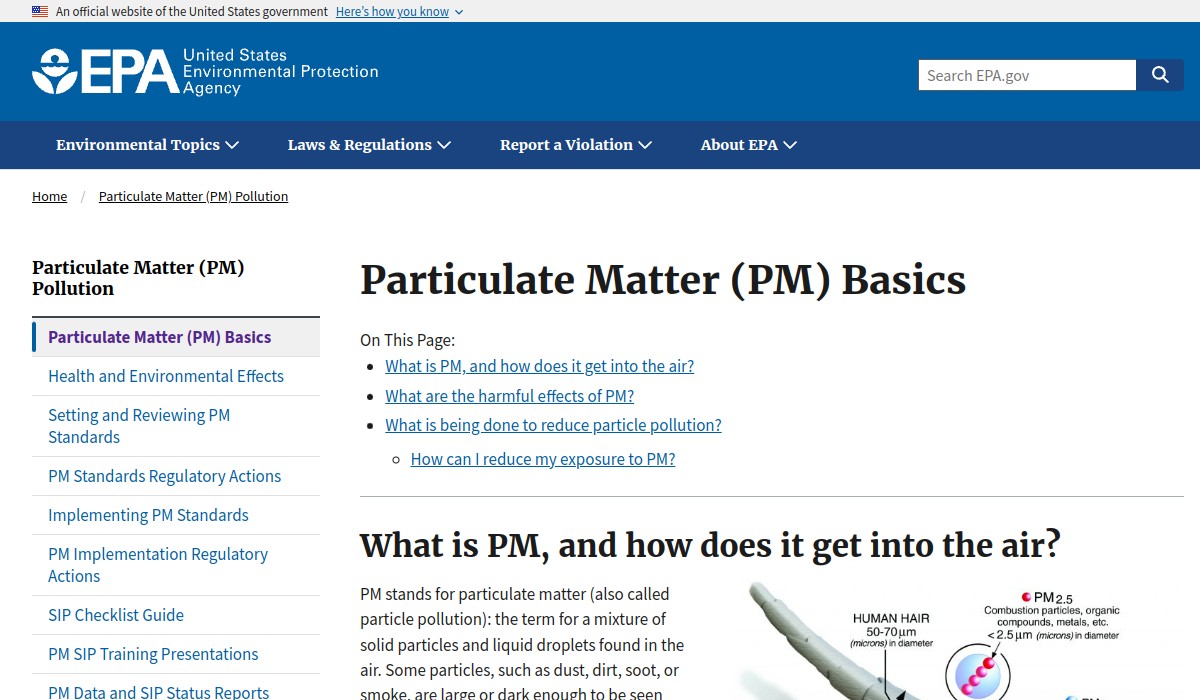
Screenshot of the cited epa.gov page: Particulate Matter (PM) Basics. Open the linked citation for the live page and full context.
Verified source context: The U.S. EPA defines PM10 as inhalable particles with diameters generally 10 micrometers and smaller, and PM2.5 as fine particles 2.5 micrometers and smaller. These size definitions do not establish a window-cleaning frequency. Read Particulate Matter (PM) Basics.
Key Takeaways
Mineral haze, salt residue, and stubborn spots are common on Kauai and often require professional-grade tools and techniques.
Safety is a major reason to hire pros: OSHA's fall-protection rules apply to exterior window cleaning, especially for upper floors.
Regular professional cleaning can prevent permanent glass damage and keep your views clear.
What are the signs that windows need professional cleaning?
The clearest signs are mineral haze, salt spray residue, water spots that won't wipe away, visible streaks after DIY attempts, mold or mildew in tracks, hard-to-reach windows, and glass that looks cloudy even after cleaning. Each sign points to a specific cause—often Kauai's hard water or ocean air—and a professional solution.
Why does this list matter for Kauai property owners?
Kauai's environment is tough on glass. The U.S. Geological Survey explains that water hardness mainly reflects dissolved calcium and magnesium, which leave cloudy residue and mineral spots on surfaces. On an island, that hardness combines with salt-laden trade winds, making windows dull faster than in many mainland locations. Recognizing the signs early helps you avoid permanent etching and keeps your home or business looking its best.
7 Signs Your Windows Need Professional Cleaning
This list is based on observable conditions and authoritative guidance from the USGS, CDC, and OSHA. Each sign includes what it is, who it fits, why it matters, one limitation, and the supporting source. No placement is paid or ranked beyond the evidence.
Mineral haze or white film on glass What it is: A cloudy, whitish layer that doesn't come off with regular glass cleaner. Who it fits: Homes and businesses in areas with hard water, common across Kauai. Why it belongs: The USGS identifies mineral residue from calcium and magnesium as a typical effect of hard water. Over time, this residue can etch glass if not removed properly. Limitation: Not all haze is mineral; it could be oxidation or sealant failure, which a pro can diagnose. Source: USGS Hardness of Water
Salt spray residue or white speckles What it is: Tiny white or gray spots, often more noticeable on ocean-facing windows. Who it fits: Coastal properties, especially in Hanalei, Haena, and Koloa. Why it belongs: Salt crystals bond to glass and attract moisture, worsening corrosion. Professional cleaning uses purified water to dissolve and rinse salt without streaks. Limitation: Salt residue can be confused with hard-water spots; a pro can test and treat accordingly. Source: Verified local service context for Kamaliʻi Window Cleaning (service area includes Hanalei, Haena, Koloa).
Water spots that won't wipe away What it is: Circular or irregular spots left after rain or sprinklers that remain after normal cleaning. Who it fits: Any property with irrigation overspray or frequent rain. Why it belongs: These spots are often mineral deposits bonded to the glass. The CDC advises using a product suitable for the surface and following its label; professionals have access to appropriate glass-safe cleaners and techniques. Limitation: If spots are etched into the glass, even professional cleaning may not fully restore clarity, but it can prevent further damage. Source: CDC When and How to Clean Your Home
Visible streaks after DIY cleaning What it is: Smears or lines left behind, often from improper squeegee use or wrong cleaning solutions. Who it fits: Homeowners who have tried cleaning but aren't satisfied with the result. Why it belongs: Streaks indicate residue or technique issues. Professionals use purified water and professional squeegees to leave a spot-free finish. Limitation: Streaks can also come from damaged glass or old window film, which may need replacement rather than cleaning. Source: General professional practice; no specific source supplied, but consistent with CDC's advice to use suitable products.
Mold or mildew in window tracks or frames What it is: Black, green, or gray growth in the tracks, sills, or weatherstripping. Who it fits: Homes in humid areas or with poor ventilation, common in tropical climates. Why it belongs: Mold can affect indoor air quality and damage seals. The CDC recommends ventilating indoor areas when using cleaning products and not mixing chemicals; professionals know how to safely remove mold without spreading spores. Limitation: Severe mold may require remediation beyond window cleaning; a pro can advise. Source: CDC When and How to Clean Your Home
Hard-to-reach or upper-story windows What it is: Windows that require ladders, extension poles, or roof access. Who it fits: Multi-story homes, commercial buildings, or any window above safe reach. Why it belongs: OSHA's walking-working-surfaces guidance discusses fall protection and rope-descent systems for exterior building cleaning. Professional window cleaners are trained and equipped to work safely at height, reducing your risk. Limitation: Not all companies offer high-rise services; verify capabilities before hiring. Source: OSHA Walking-Working Surfaces FAQ
Glass looks cloudy even after cleaning What it is: A persistent dullness or fog that doesn't improve with wiping. Who it fits: Older windows or those exposed to years of hard water and salt. Why it belongs: This often indicates etching or mineral buildup that requires professional restoration. The USGS notes that mineral residue can accumulate over time; professionals can assess whether the cloudiness is removable or permanent. Limitation: If the glass is permanently etched, replacement may be the only fix, but a pro can confirm. Source: USGS Hardness of Water
How do I choose a professional window cleaner on Kauai?
Start by confirming the company serves your area—for example, Kamaliʻi Window Cleaning serves Hanalei, Haena, and Koloa. Ask about their cleaning methods, whether they use purified water, and their safety practices for upper floors. A reputable pro will explain what they can and cannot fix and give you a clear plan.
Frequently Asked Questions
Can I clean my windows myself instead of hiring a pro?
Yes, for ground-floor windows with mild dirt, DIY cleaning can work. But for mineral deposits, salt residue, or upper-story windows, professional equipment and safety training make a significant difference. The CDC advises using suitable products and ventilating the area, but it doesn't replace the need for proper technique on tough buildup.
How often should Kauai windows be professionally cleaned?
There's no universal rule, but many coastal properties benefit from cleaning every 3–6 months due to salt and hard water. Your specific location, window exposure, and personal preference will determine the right schedule. A professional can assess your windows and recommend a frequency.
Is professional window cleaning safe for my home and family?
When done by a trained professional following OSHA guidelines, yes. OSHA's rules for fall protection and rope-descent systems are designed to protect workers, which also protects your property from accidents. Always verify that the company follows safety standards.
If you're seeing any of these signs on your Kauai windows, contact Kamaliʻi Window Cleaning for an assessment. Clear views start with knowing what your glass is telling you.
Comments